🌪️ EMERGENCY ROOF REPAIRS DURING HURRICANE SEASON: WHAT JACKSONVILLE HOMEOWNERS SHOULD EXPECT
🌪️ EMERGENCY ROOF REPAIRS DURING HURRICANE SEASON: WHAT JACKSONVILLE HOMEOWNERS SHOULD EXPECT
Introduction
When hurricane season hits Jacksonville, roofing emergencies become one of the most common and urgent service calls homeowners face. High winds, heavy rain, and flying debris can cause sudden roof failures that require immediate attention to prevent serious structural damage.
Unlike planned repairs or roof replacements, emergency roofing situations are unpredictable and often occur during the worst possible weather conditions. This makes preparation, response time, and contractor reliability extremely important.
At Morgan Conley Roofing and Repair LLC, we respond to emergency roofing situations throughout Northeast Florida every hurricane season, helping homeowners protect their properties when storms cause unexpected damage.
Understanding what happens during a roofing emergency—and what to expect from the repair process—can help homeowners stay calm and make better decisions during stressful situations.
What Qualifies as a Roofing Emergency?
Not every roof issue is an emergency, but during hurricane season, conditions escalate quickly. A roofing emergency typically includes any situation where the home is actively exposed to water or structural vulnerability.
Common emergency scenarios include:
Active roof leaks during heavy rain
Missing sections of shingles after high winds
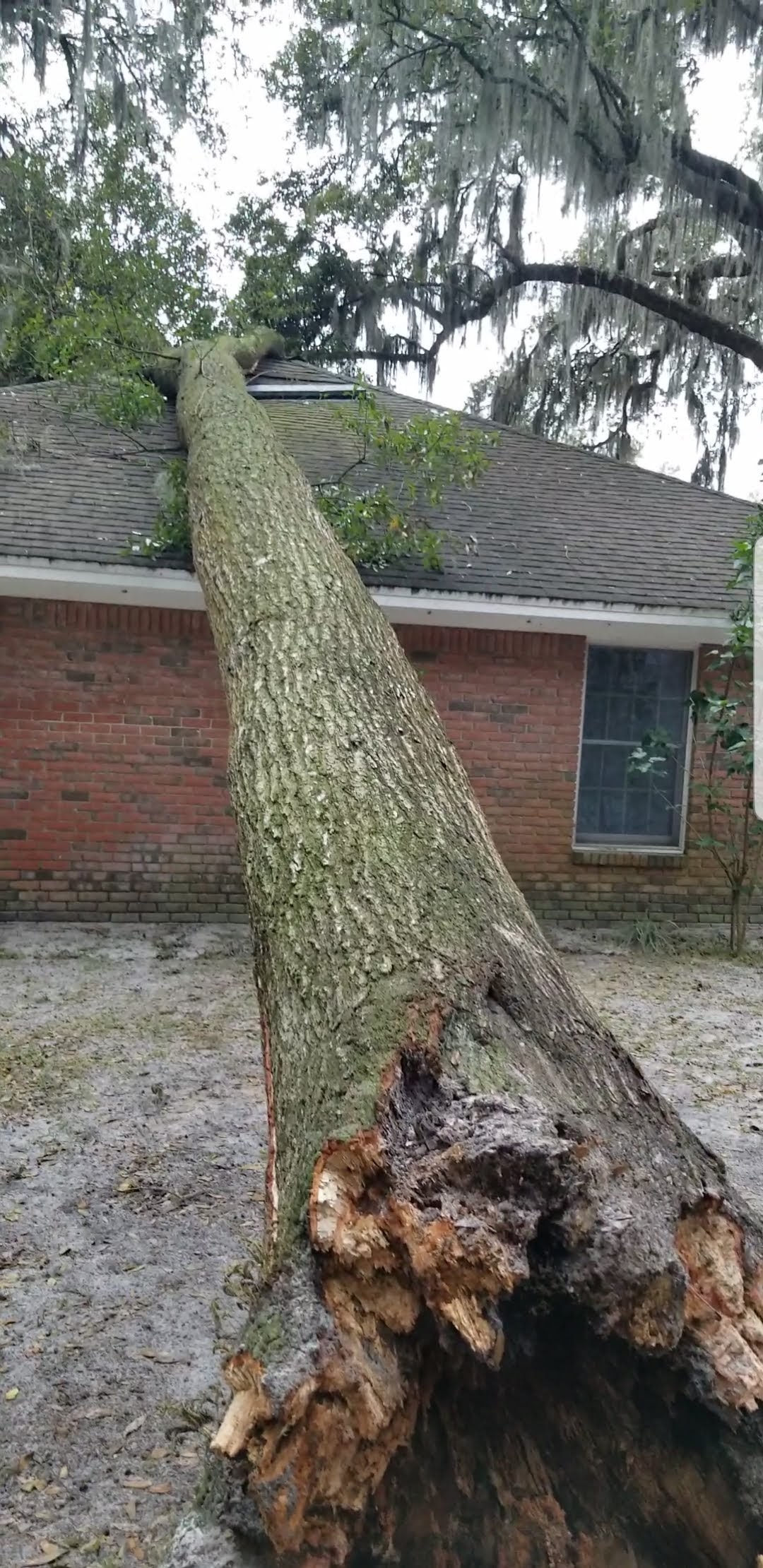
Trees or debris impacting the roof
Visible holes or structural damage
Water entering living spaces or attic areas
Flashing failure causing immediate leaks
In these situations, delaying repairs can lead to rapid interior damage, mold growth, electrical hazards, and costly structural deterioration.
Why Hurricane Season Creates More Roofing Emergencies
Jacksonville’s climate plays a major role in the frequency of emergency roofing situations. During hurricane season, roofs are exposed to:
Sudden wind gusts exceeding 40–70 mph
Extended rainfall from tropical systems
Saturated soil conditions affecting structural stability
Repeated storm cycles within short time periods
Even roofs that were stable before the season can develop new vulnerabilities as storms progress.
The combination of wind pressure and wind-driven rain is particularly damaging because it forces water into areas that are normally sealed under standard weather conditions.
The First 24 Hours After Roof Damage
The first 24 hours after roof damage are critical. What homeowners do during this window often determines the extent of total property damage.
If a roof is compromised, water can quickly enter:
Attic insulation
Ceiling drywall
Electrical systems
Wall cavities
Flooring structures
Within hours, moisture begins spreading beyond the initial entry point.
This is why emergency roofing response focuses on immediate stabilization rather than permanent repair.
Emergency Roof Repair Process Explained
When a roofing contractor responds to an emergency call, the process typically follows several key steps:
1. Initial Safety Assessment
The contractor evaluates whether the structure is safe to access and identifies immediate hazards such as electrical exposure or unstable materials.
2. Temporary Protection (Tarping)
If the roof is exposed, a protective tarp is installed to prevent further water intrusion. This is one of the most important steps in emergency roofing response.
3. Damage Containment
Loose materials, debris, or compromised sections are secured to prevent additional failure during ongoing weather conditions.
4. Leak Control Measures
Temporary sealing or patching may be applied to slow or stop active leaks until full repairs can be completed.
5. Documentation for Insurance
Photos and notes are taken to document storm-related damage for insurance claims.
6. Repair Plan Development
Once conditions stabilize, a full repair or replacement plan is created based on the extent of damage.
Why Immediate Tarping Matters
One of the most critical emergency roofing services is roof tarping. While it is a temporary solution, it plays a major role in preventing additional damage.
A properly installed tarp helps:
Stop ongoing water intrusion
Protect insulation and drywall
Prevent mold growth
Reduce total repair costs
Stabilize the property until repairs begin
Delaying tarping even by a few hours during heavy rain can significantly increase damage inside the home.
Common Mistakes Homeowners Make During Roof Emergencies
During hurricane season, stress can lead homeowners to make decisions that unintentionally worsen damage.
Common mistakes include:
Attempting unsafe DIY roof repairs during storms
Waiting too long to call a professional
Ignoring small leaks that appear after wind events
Failing to document damage for insurance purposes
Using non-professional materials for temporary fixes
Emergency roofing situations require professional handling due to safety risks and structural complexity.
Insurance and Emergency Roof Repairs
In Florida, insurance plays a major role in emergency roofing recovery. However, proper documentation is essential for successful claims.
Insurance companies typically require:
Proof of storm-related damage
Photos of affected areas
Contractor inspection reports
Evidence of sudden damage vs. long-term wear
Emergency roofing contractors assist by documenting damage immediately after the event, which helps support the insurance process and reduces disputes.
How Jacksonville Weather Increases Emergency Risk
Jacksonville experiences a unique combination of weather conditions that increase roofing emergency frequency:
Tropical storm systems moving inland from the coast
High humidity weakening roofing materials over time
Sudden temperature changes causing material expansion and contraction
Heavy rainfall overwhelming drainage systems
Even storms that do not reach hurricane strength can still create emergency roofing situations due to sustained rainfall and wind exposure.
Why Fast Response Time Matters
In roofing emergencies, response time is one of the most important factors in minimizing damage.
A fast response can:
Prevent water from spreading further inside the home
Reduce structural damage
Limit mold development
Lower overall repair costs
Protect personal belongings inside the home
This is especially important during hurricane season when weather conditions can change rapidly.
Preventing Emergency Roof Situations
While not all emergencies are avoidable, many can be prevented with proper maintenance and preparation.
Homeowners should:
Schedule annual roof inspections
Repair small leaks immediately
Replace missing or damaged shingles early
Maintain gutters and drainage systems
Monitor roof condition before hurricane season
Preventative maintenance is always more cost-effective than emergency repair.
Why Homeowners Trust Morgan Conley Roofing and Repair LLC
Morgan Conley Roofing and Repair LLC has been serving Jacksonville and surrounding Northeast Florida communities since 2012, providing reliable emergency roofing services during hurricane season and beyond.
We specialize in:
Emergency roof tarping
Leak repair and containment
Storm damage restoration
Roof inspections and documentation
Full roof replacements when needed
Our focus is protecting homes quickly and effectively when unexpected roofing emergencies occur.
Final Thoughts
Roofing emergencies during hurricane season are stressful, but understanding the process helps homeowners make better decisions under pressure.
The most important factor is speed—acting quickly reduces damage and improves outcomes significantly.
If your roof is damaged during a storm, immediate professional response is essential to protect your home and prevent further loss.
https://morganconleyroofing.org/post/do-you-need-a-roof-inspection
https://morganconleyroofing.org/hurricane-roofing-guide-for-jacksonville-fl