Why Asphalt Shingles Dominate the U.S. Roofing Market: Pros and Cons
When homeowners ask what is the most commonly used residential roofing material, the answer is clear: asphalt shingles. Accounting for nearly 80% of all residential roofs across America, these versatile shingles have earned their top spot through decades of proven performance. Morgan Conley Roofing and Repair, LLC, serving Jacksonville, FL, has installed thousands of asphalt shingle roofs and understands exactly why this material continues to dominate the market.
Understanding what is the most commonly used residential roofing material helps homeowners make informed decisions about their biggest investment. This guide breaks down everything you need to know about asphalt shingles—from their unbeatable affordability to potential drawbacks you should consider before installation.
🏠 What Is the Most Commonly Used Residential Roofing Material?
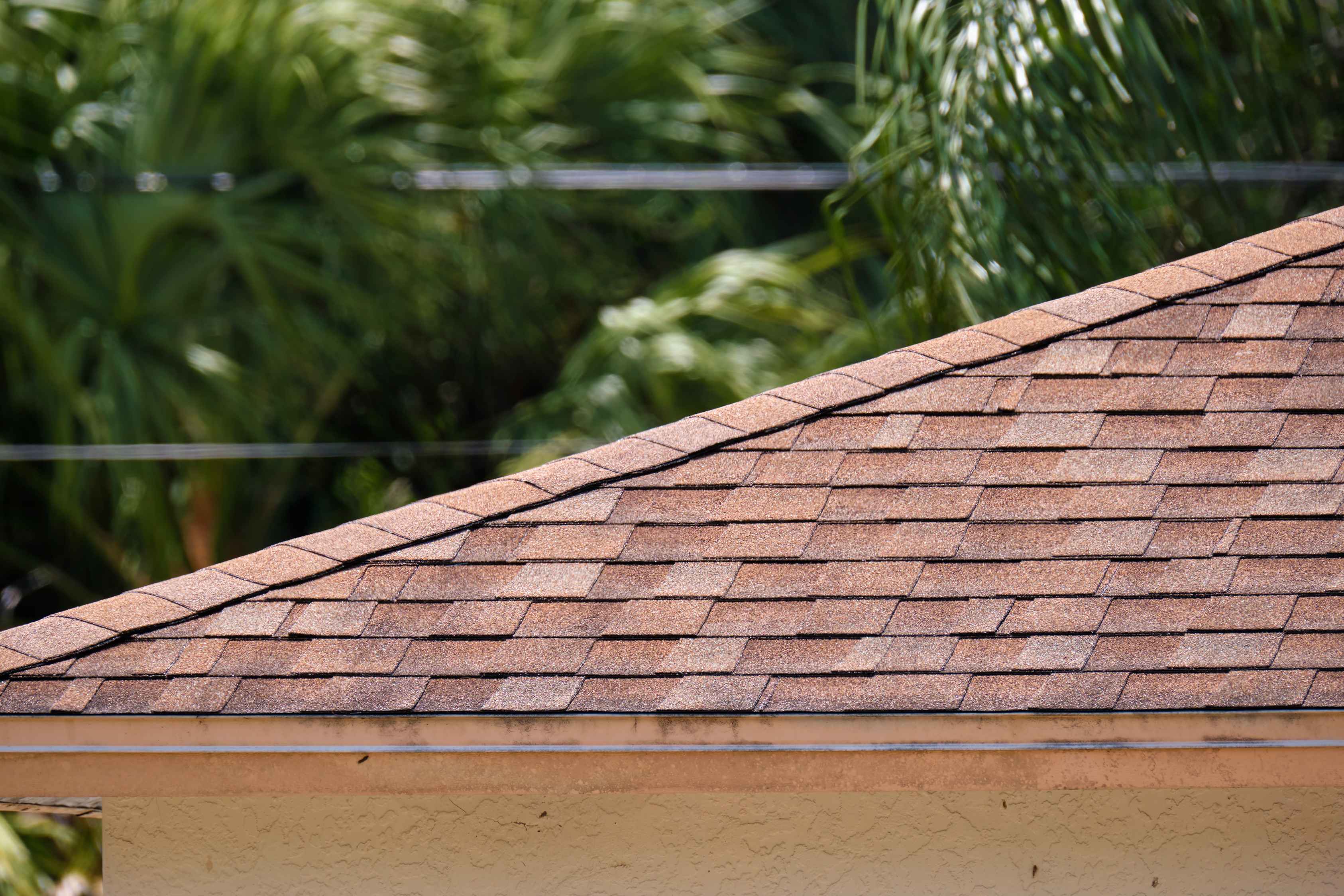
Asphalt shingles reign supreme as the most commonly used residential roofing material in the United States. These composite shingles consist of a fiberglass or organic mat base, coated with asphalt and topped with ceramic granules for protection and color.
Why asphalt shingles lead the market:
Cost-effectiveness – Lower installation costs compared to metal, tile, or slate
Wide availability – Found at virtually every roofing supplier nationwide
Variety of styles – From basic 3-tab to architectural and designer options
Proven track record – Decades of reliable performance in various climates
Easy installation – Faster labor times reduce overall project costs
The versatility of asphalt shingles makes them suitable for most residential applications, from starter homes to luxury properties. Their widespread adoption has created a robust infrastructure of trained installers, readily available materials, and competitive pricing.
💰 The Affordability Factor: Why Homeowners Choose Asphalt
Cost remains the primary driver behind asphalt shingles being the most commonly used residential roofing material. The average asphalt shingle roof costs between $3.50–$5.50 per square foot installed, significantly less than alternatives.
Cost comparison breakdown:
Beyond initial installation, asphalt shingles offer excellent ROI through:
Lower insurance premiums in many markets
Minimal maintenance requirements compared to wood or tile
Easy repairs – damaged shingles can be individually replaced
Energy-efficient options – reflective shingles reduce cooling costs
For Jacksonville homeowners working within a budget, asphalt shingles provide maximum value without sacrificing quality or protection.
🛡️ Durability and Weather Performance in Florida Climates
While regular roof inspections remain crucial, asphalt shingles demonstrate impressive resilience against Florida's challenging weather conditions. Modern architectural shingles feature enhanced wind resistance, impact ratings, and moisture barriers.
Performance advantages:
Wind resistance – Premium shingles rated up to 130 mph winds
Impact resistance – Class 4 options resist hail and debris damage
Algae resistance – Copper-infused granules prevent unsightly streaking
Heat reflection – Cool roof shingles reduce attic temperatures by 20–30°F
Jacksonville's humid subtropical climate demands roofing materials that handle intense UV exposure, heavy rainfall, and occasional hurricanes. Quality asphalt shingles, when properly installed with adequate ventilation, excel in these conditions. ⛈️
The fiberglass mat base provides superior moisture resistance compared to older organic mat shingles, reducing the risk of rot and extending lifespan even in humid environments.
🎨 Style Versatility: Matching Any Architectural Design
Aesthetic flexibility contributes significantly to asphalt shingles being what is the most commonly used residential roofing material. Manufacturers offer hundreds of color options, textures, and profiles to complement any home style.
Available shingle types:
3-Tab Shingles – Traditional flat appearance, most economical option
Architectural Shingles – Dimensional look mimics wood shake or slate
Designer Shingles – Premium profiles with enhanced visual appeal
Specialty Shingles – Unique shapes for Victorian or historic homes
From Mediterranean stucco to coastal cottage designs, asphalt shingles adapt seamlessly. Color options range from classic blacks and grays to earth tones, blues, greens, and even terra cotta hues that replicate expensive tile.
This versatility means homeowners don't sacrifice curb appeal for affordability. Modern manufacturing techniques create realistic textures and shadow lines that elevate a home's appearance while maintaining the practical benefits of asphalt composition.
⚠️ The Drawbacks: What Homeowners Should Know
Despite being the most commonly used residential roofing material, asphalt shingles aren't perfect. Understanding limitations helps set realistic expectations and guides maintenance planning.
Key disadvantages:
Shorter lifespan – 15–30 years versus 50+ for metal or tile
Environmental impact – Petroleum-based product, limited recyclability
Heat absorption – Dark shingles increase cooling costs in summer
Granule loss – Natural degradation over time reduces effectiveness
Susceptibility to moss – Shaded areas promote organic growth
Temperature extremes accelerate shingle aging. Jacksonville's intense summer heat causes thermal cycling—expansion and contraction—that gradually weakens the asphalt bond. This makes roof inspection benefits especially important for early detection of wear. 🔍
Additionally, while impact-resistant options exist, standard asphalt shingles remain more vulnerable to storm damage than metal or concrete alternatives. Homeowners should weigh initial savings against potential replacement costs down the line.
🔧 Installation Simplicity and Labor Availability
The widespread knowledge of how to install asphalt shingles contributes to them being what is the most commonly used residential roofing material. Nearly every roofing contractor has extensive experience with this system, ensuring competitive pricing and quality workmanship.
Installation advantages:
Faster project completion – Most residential roofs finished in 1–3 days
Lighter weight – No structural reinforcement typically required
Straightforward repairs – Individual shingle replacement is simple
Abundant contractors – Easy to find qualified installers
The learning curve for asphalt shingle installation is relatively gentle compared to specialized systems like standing seam metal or slate. This accessibility keeps labor costs reasonable and ensures homeowners have multiple contractor options when seeking quotes.
For Jacksonville properties, experienced local roofers understand regional building codes, proper ventilation requirements for humid climates, and hurricane-resistant installation techniques specific to asphalt shingles.
🌱 Warranty Coverage and Manufacturer Support
Robust warranty programs strengthen asphalt shingles' position as the most commonly used residential roofing material. Leading manufacturers offer comprehensive coverage that provides homeowners peace of mind and financial protection.
Typical warranty components:
Premium architectural shingles often include lifetime warranties (50+ years) with transferable coverage that adds resale value. Some manufacturers even offer "system warranties" when using their complete roofing product line—underlayment, starter strips, ridge caps, and ventilation.
These warranties demonstrate manufacturer confidence in product durability and provide homeowners with recourse if premature failure occurs. Always register your warranty within the specified timeframe and maintain documentation for future claims.
📊 Energy Efficiency and Long-Term Savings
Modern asphalt shingle technology addresses energy concerns that previously limited their appeal. Cool roof shingles and reflective coatings transform what is the most commonly used residential roofing material into an energy-saving solution.
Energy performance features:
Solar reflectance – Bounces sunlight away from the roof surface
Thermal emittance – Releases absorbed heat quickly
Energy Star certification – Meets EPA standards for energy efficiency
Reduced urban heat island effect – Benefits entire neighborhoods
Jacksonville homeowners can save 7–15% on annual cooling costs by choosing Energy Star-rated asphalt shingles. These savings accumulate over the roof's lifespan, offsetting the slightly higher upfront cost of premium reflective products. 💡
Enhanced attic ventilation combined with reflective shingles creates optimal thermal performance. Proper ventilation extends shingle life by reducing heat buildup that accelerates asphalt degradation, creating a win-win for both energy bills and roof longevity.
🏆 Why Jacksonville Homeowners Trust Asphalt Shingles
Local factors make asphalt shingles particularly attractive for Jacksonville residential properties. The combination of affordability, hurricane resistance, and aesthetic options perfectly matches regional needs.
Jacksonville-specific benefits:
Hurricane preparedness – Impact-resistant shingles protect against flying debris
Humidity resistance – Modern synthetic underlayments prevent moisture intrusion
HOA compliance – Wide color selection meets neighborhood restrictions
Insurance advantages – Many insurers offer discounts for impact-rated shingles
The region's building codes require specific installation techniques for high-wind zones. Professional installers use six nails per shingle (instead of four), sealed edges, and enhanced starter strips to ensure shingles remain secure during storms.
Understanding what is the most commonly used residential roofing material helps Jacksonville homeowners make confident decisions backed by decades of proven local performance. Regular maintenance and professional inspections maximize the value of your asphalt shingle investment.
📞 Conclusion: Making the Right Choice for Your Home
Asphalt shingles dominate as the most commonly used residential roofing material for compelling reasons: affordability, versatility, proven performance, and widespread contractor expertise. While they may not last as long as premium alternatives, their combination of value and reliability makes them the smart choice for most homeowners.
Understanding both the advantages and limitations empowers you to make an informed decision. Whether you prioritize initial cost savings, specific aesthetic requirements, or balanced long-term value, asphalt shingles offer solutions that meet diverse needs.
Ready to protect your Jacksonville home with quality asphalt shingle roofing? Morgan Conley Roofing and Repair, LLC, located at 2345 Rogero RD, Jacksonville, FL 32211, brings expert installation and honest guidance to every project. Our team understands local building codes, climate challenges, and the specific needs of Jacksonville homeowners. Contact us at (904) 490-8390 or visit https://morganconleyroofing.org/ to schedule your free roof inspection and discover why asphalt shingles might be the perfect choice for your home.
❓ Frequently Asked Questions
How long does the most commonly used residential roofing material last?
Asphalt shingles typically last 15–30 years depending on quality, installation, climate, and maintenance. Architectural shingles generally outlast basic 3-tab options by 5–10 years.
Can I install asphalt shingles myself to save money?
While possible, DIY installation risks voiding manufacturer warranties, violating building codes, and creating future leak problems. Professional installation ensures proper technique and warranty coverage.
What is the best color for asphalt shingles in hot climates?
Lighter colors with high solar reflectance perform best in hot climates like Jacksonville. White, tan, and light gray shingles reduce heat absorption and lower cooling costs.
Are asphalt shingles recyclable?
Some recycling programs accept asphalt shingles for road paving aggregate, but options remain limited. Many old shingles still end up in landfills, making this an environmental concern.
How often should I inspect my asphalt shingle roof?
Schedule professional inspections twice yearly—spring and fall—plus after major storms. Early detection of damage prevents minor issues from becoming expensive repairs.
🔍 People Also Ask
What roofing material lasts the longest?
Slate roofing lasts 75–200 years, making it the longest-lasting material. However, its high cost ($15–$30 per square foot) and weight requirements limit widespread adoption compared to asphalt shingles.
Why are asphalt shingles so popular in America?
Asphalt shingles combine affordability ($3.50–$5.50 per square foot), easy installation, wide availability, and adequate performance for most climates. This value proposition makes them accessible to the majority of homeowners.
Do asphalt shingles increase home value?
A new asphalt shingle roof provides 60–68% ROI at resale according to Remodeling Magazine's Cost vs. Value Report. Curb appeal and buyer confidence in a new roof justify the investment.
What's the difference between 3-tab and architectural shingles?
Architectural shingles are thicker, more durable, and create dimensional appearance mimicking premium materials. They cost 20–40% more than 3-tab shingles but last 5–10 years longer and offer better wind resistance.
Can asphalt shingles withstand hurricanes?
Impact-resistant asphalt shingles rated for 130+ mph winds can withstand hurricane conditions when properly installed with enhanced nailing patterns, sealed edges, and quality underlayment required by Florida building codes.