What Is Modified Bitumen Roofing System? A Complete Jacksonville Homeowner's Guide
When it comes to flat and low-slope roofing solutions, understanding what is modified bitumen roofing system technology can help Jacksonville property owners make informed decisions about their roofing investments. Morgan Conley Roofing and Repair, LLC has been serving Jacksonville, FL property owners with expert roofing solutions for years, specializing in modern roofing technologies that withstand Florida's challenging climate. Located at 2345 Rogero RD, Jacksonville, FL 32211, their team brings extensive experience with modified bitumen systems perfect for Jacksonville's commercial buildings, flat-roof homes, and low-slope structures.
Modified bitumen roofing represents a significant advancement in roofing technology, combining traditional built-up roofing reliability with modern polymer science. For Jacksonville property owners dealing with intense UV exposure, heavy rainfall, and hurricane threats, this roofing system offers durability and performance that traditional options can't match. Understanding this system helps you evaluate whether it's the right solution for your property.
🏗️ Modified Bitumen Roofing System: The Basics
What is modified bitumen roofing system exactly? It's a hybrid roofing membrane that combines asphalt with polymer modifiers, creating a flexible, durable material designed specifically for flat and low-slope roofs.
Core Components:
Asphalt base – Provides waterproofing foundation
Polymer modifiers – Either APP (plastic) or SBS (rubber)
Reinforcement layer – Polyester or fiberglass mat for strength
Surface granules – Reflective coating for UV protection
The "modified" refers to the polymer additives that enhance asphalt's natural properties. Traditional asphalt becomes brittle in cold and soft in heat, but modified bitumen maintains flexibility across temperature extremes—critical for Jacksonville's climate that can swing from 40°F winters to 95°F+ summers.
🔬 Two Types of Modified Bitumen Systems
Understanding what is modified bitumen roofing system requires knowing the two distinct types, each with unique properties and installation methods.
APP Modified Bitumen (Atactic Polypropylene):
Plastic-based polymer modifier
Torch-applied installation method
Superior heat resistance (ideal for Florida)
Excellent UV stability
Higher temperature flexibility
SBS Modified Bitumen (Styrene-Butadiene-Styrene):
Rubber-based polymer modifier
Cold-applied or heat-welded options
Better low-temperature flexibility
Enhanced elongation properties
More forgiving installation
For Jacksonville applications, both types perform excellently, though APP's heat resistance makes it particularly popular for commercial buildings with reflective surfaces that reduce cooling costs.
💪 Key Benefits of Modified Bitumen Roofing Systems
Property owners researching what is modified bitumen roofing system options should understand the significant advantages this technology provides.
Durability & Longevity: Modified bitumen systems typically last 20-30 years in Jacksonville's climate with proper maintenance—significantly longer than traditional built-up roofing. The polymer enhancement prevents cracking, blistering, and premature aging.
Weather Resistance:
Hurricane protection – Multi-ply systems resist wind uplift
Water resistance – Seamless membrane prevents leaks
UV stability – Granulated surfaces reflect heat
Thermal cycling – Flexibility prevents temperature damage
Cost-Effectiveness: While initial installation costs more than basic materials, the longevity and minimal maintenance requirements make modified bitumen an excellent ROI investment for Jacksonville property owners.
Easy Repairs: When damage occurs, repairs are straightforward. Morgan Conley Roofing and Repair, LLC can patch or section-replace modified bitumen without full roof replacement, saving thousands.
🛠️ Modified Bitumen Installation Methods
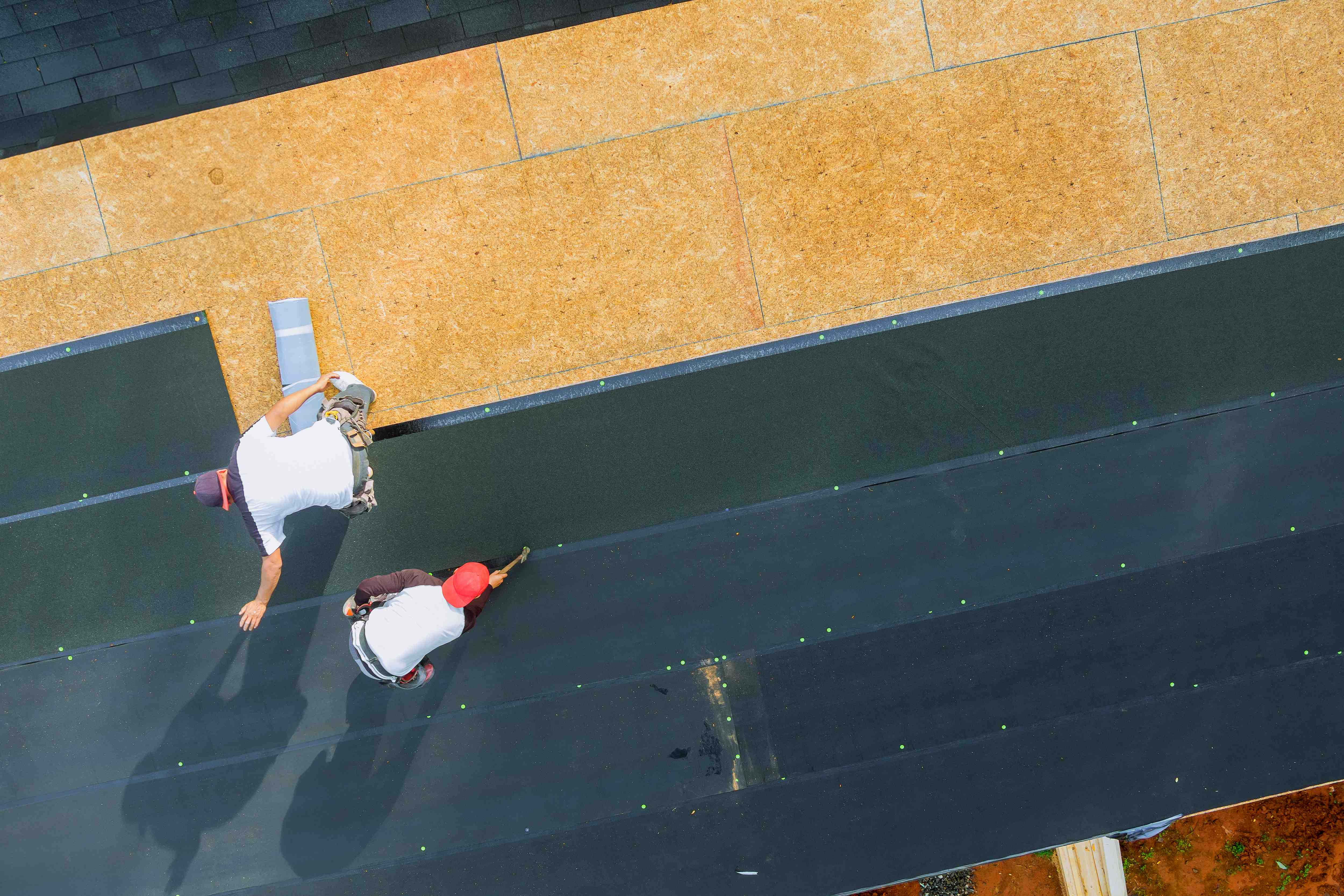
Understanding what is modified bitumen roofing system installation involves knowing the three primary application techniques.
Jacksonville's building codes and fire regulations may restrict torch-applied methods in certain areas. Professional contractors assess your specific situation and recommend the most appropriate installation technique for your property.
🏢 Ideal Applications for Modified Bitumen Systems
Property owners asking what is modified bitumen roofing system best suited for should consider these ideal applications:
Commercial Buildings: Warehouses, retail stores, and office buildings with flat or low-slope roofs benefit tremendously. The system handles foot traffic for HVAC maintenance and provides excellent protection for valuable inventory and equipment.
Multi-Family Residential: Apartment complexes and condominiums in Jacksonville use modified bitumen for reliable, low-maintenance roofing that protects multiple units simultaneously.
Industrial Facilities: Manufacturing plants and storage facilities require durable roofing that withstands chemical exposure, thermal stress, and heavy equipment loads—all strengths of modified bitumen.
Flat-Roof Homes: Modern architectural designs featuring flat or nearly flat roofs utilize modified bitumen for its aesthetic appeal and proven performance.
📊 Modified Bitumen vs. Other Flat Roofing Systems
For Jacksonville properties, modified bitumen's superior heat resistance and proven longevity often justify the slightly higher initial investment compared to single-ply alternatives.
⚙️ Modified Bitumen System Layers Explained
Fully understanding what is modified bitumen roofing system construction requires examining its multi-layer composition:
Base Sheet Layer: The foundation attaches directly to the roof deck, providing a stable platform. This layer typically uses mechanical fasteners or adhesive for secure attachment.
Interply Sheets: Middle layers add thickness, strength, and waterproofing redundancy. Commercial applications often use 2-3 interply sheets for maximum protection.
Cap Sheet: The top layer features weather-resistant granules, providing UV protection and aesthetic finish. Reflective white or light-colored cap sheets reduce heat absorption by 30-40%, significantly lowering Jacksonville cooling costs.
Reinforcement: Embedded polyester or fiberglass mats provide tensile strength, preventing tears and punctures from debris or foot traffic.
🌡️ Performance in Jacksonville's Climate
Jacksonville property owners need roofing systems that handle specific environmental challenges. Here's how modified bitumen performs:
Extreme Heat Tolerance: Summer temperatures regularly exceed 95°F on Jacksonville roofs. Modified bitumen's polymer enhancement prevents softening and maintains structural integrity even when surface temperatures reach 160°F+.
Hurricane Resistance: Multi-ply modified bitumen systems, when properly installed, resist wind uplift from hurricane-force winds. The fully-adhered or torched seams create continuous bonds that won't peel or separate.
Heavy Rainfall Management: Jacksonville receives 50+ inches of annual rainfall. Modified bitumen's seamless waterproof membrane channels water efficiently to drains without ponding or leakage.
Humidity and Algae: The granulated surface resists algae growth better than smooth membranes, maintaining appearance and reflectivity throughout Florida's humid seasons.
🔧 Maintenance Requirements for Modified Bitumen
Understanding what is modified bitumen roofing system maintenance needs ensures maximum lifespan and performance.
Bi-Annual Inspections: Jacksonville property owners should schedule professional inspections spring and fall to identify minor issues before they escalate. Morgan Conley Roofing and Repair, LLC provides comprehensive assessments examining seams, flashings, and surface conditions.
Routine Maintenance Tasks:
Clear debris from drains and gutters quarterly
Remove standing water within 48 hours
Trim overhanging branches that could damage surface
Apply reflective coating every 5-7 years to maintain energy efficiency
Common Repair Needs: Small punctures, seam separations, or flashing issues can develop over time. Professional repairs using compatible materials restore full protection without extensive work.
💰 Cost Considerations and ROI
Property owners evaluating what is modified bitumen roofing system costs should consider both initial investment and long-term value.
Installation Costs: Jacksonville modified bitumen installation typically ranges $4-7 per square foot, including materials and labor. Factors affecting cost include:
Roof size and accessibility
Number of layers/plies
Installation method selected
Existing roof removal requirements
Insulation upgrades
Long-Term Value: Despite higher upfront costs compared to single-ply alternatives, modified bitumen delivers superior ROI through:
20-30 year lifespan reducing replacement frequency
Lower maintenance costs
Energy savings from reflective surfaces (15-25% cooling cost reduction)
Fewer leak-related damage expenses
Increased property value
📞 Get Expert Modified Bitumen Installation in Jacksonville
Now that you understand what is modified bitumen roofing system technology offers, it's time to evaluate whether this proven solution fits your Jacksonville property needs. The right roofing system protects your investment, reduces operating costs, and provides decades of reliable performance.
Schedule a professional consultation with Morgan Conley Roofing and Repair, LLC in Jacksonville, FL to assess your flat or low-slope roof requirements. Their experienced team evaluates your property's specific conditions, explains your options clearly, and provides transparent pricing for modified bitumen installation or repairs. Whether you're constructing a new building or replacing an aging roof system, they deliver quality workmanship backed by solid warranties. Contact them at (904) 490-8390 or visit their office at 2345 Rogero RD, Jacksonville, FL 32211 to discover how modified bitumen roofing systems can protect your Jacksonville property for decades to come.
❓ Frequently Asked Questions
How long does a modified bitumen roofing system last?
Modified bitumen roofing systems typically last 20-30 years in Jacksonville's climate with proper installation and maintenance. Quality matters significantly—professional installation by experienced contractors like Morgan Conley Roofing and Repair, LLC ensures maximum lifespan.
What is modified bitumen roofing system maintenance like?
Maintenance is straightforward: bi-annual professional inspections, quarterly debris clearing, and occasional reflective coating applications every 5-7 years. This minimal maintenance schedule makes modified bitumen systems cost-effective for Jacksonville property owners.
Can modified bitumen roofing systems be installed over existing roofs?
Yes, in many cases modified bitumen can be installed over existing roofing systems if the deck structure is sound and building codes permit. This reduces installation costs and waste, though complete tear-off often provides better long-term results.
Is modified bitumen roofing system good for Florida?
Absolutely! Modified bitumen excels in Florida's climate, offering superior heat resistance, UV stability, and hurricane protection. The system's flexibility handles thermal expansion, while reflective surfaces reduce cooling costs—critical advantages for Jacksonville properties.
How much does modified bitumen roofing cost in Jacksonville?
Modified bitumen roofing installation in Jacksonville typically costs $4-7 per square foot, varying based on roof size, complexity, and selected options. While initial costs exceed basic alternatives, the 20-30 year lifespan and minimal maintenance deliver excellent ROI.
🔍 People Also Ask
What is the difference between modified bitumen and TPO roofing?
Modified bitumen uses asphalt with polymer enhancement in multi-layer construction, while TPO is a single-ply thermoplastic membrane. Modified bitumen offers easier repairs and better puncture resistance, whereas TPO provides lighter weight and simpler installation for certain applications.
Can you walk on modified bitumen roofing?
Yes, modified bitumen roofing systems handle foot traffic well, making them ideal for roofs requiring regular HVAC maintenance access. The granulated cap sheet provides slip resistance and protects underlying layers from wear.
What is modified bitumen roofing system warranty coverage?
Manufacturer warranties typically cover materials for 15-20 years, while professional installation warranties add 5-10 years of workmanship coverage. Morgan Conley Roofing and Repair, LLC provides comprehensive warranty protection for Jacksonville clients.
How is modified bitumen installed?
Installation methods include torch-applied (heat welding), cold-applied (adhesive), self-adhering, or hot-mopped techniques. Jacksonville contractors select methods based on building codes, roof conditions, and property requirements, ensuring optimal performance and safety.
Does modified bitumen roofing need coating?
While not required, reflective coatings applied every 5-7 years significantly extend lifespan by protecting against UV damage and reducing heat absorption. This maintenance investment pays dividends through extended roof life and energy savings for Jacksonville properties.