Why Modified Bitumen Dominates Jacksonville's Commercial Roofing Market
When it comes to durable, weather-resistant commercial roofing in Jacksonville, Florida, what is modified bitumen roofing system becomes a critical question for property owners. Morgan Conley Roofing and Repair, LLC has witnessed firsthand how this roofing technology continues to outperform alternatives across Jacksonville's humid subtropical climate. Modified bitumen offers the perfect balance of durability, cost-efficiency, and weather resistance that Florida's commercial buildings demand.
Understanding what is modified bitumen roofing system helps property managers make informed decisions. This advanced roofing technology combines traditional asphalt with modern polymer modifiers, creating a flexible yet incredibly resilient membrane. Jacksonville's combination of intense UV exposure, hurricane-force winds, and heavy rainfall makes modified bitumen an ideal solution for warehouses, retail centers, and office buildings throughout the region.
What Is Modified Bitumen Roofing System? 🏢
What is modified bitumen roofing system at its core? It's a hybrid roofing membrane that evolved from traditional built-up roofing (BUR). The system incorporates asphalt modified with either APP (atactic polypropylene) or SBS (styrene-butadiene-styrene) polymers. These modifiers dramatically enhance the asphalt's performance characteristics.
The multi-ply system typically includes:
A base sheet mechanically fastened or adhered to the roof deck
One or more ply sheets providing waterproofing
A cap sheet with granulated surface for UV protection
Reinforcement layers of polyester or fiberglass
This engineered approach to what is modified bitumen roofing system creates redundancy—if one layer fails, others continue protecting your building. Jacksonville commercial property owners appreciate this built-in safety factor during hurricane season.
Why Jacksonville's Climate Demands Modified Bitumen ☀️
Jacksonville's weather presents unique challenges that make understanding what is modified bitumen roofing system essential for commercial building protection. The city experiences extreme temperature fluctuations, with scorching summers reaching 95°F and occasional winter freezes.
Key climate factors:
UV intensity: Florida ranks among the highest UV index states, degrading lesser roofing materials
Hurricane exposure: Jacksonville faces tropical storm and hurricane threats annually
Heavy rainfall: 50+ inches of rain per year tests waterproofing capabilities
Humidity: Constant moisture creates mold and degradation risks
Modified bitumen's polymer-enhanced flexibility allows it to expand and contract without cracking. The granulated cap sheet reflects UV radiation, extending roof lifespan beyond traditional alternatives. When property owners research what is modified bitumen roofing system, they discover a material specifically engineered for challenging climates like Jacksonville's.
Cost Analysis: Modified Bitumen vs. Alternatives 💰

Understanding what is modified bitumen roofing system from a financial perspective reveals its superior value proposition. Initial installation costs remain competitive, while the extended lifespan and reduced maintenance requirements deliver excellent ROI. Jacksonville building owners typically recoup their investment through energy savings and avoided repair costs within 7-10 years.
The redundant layer system inherent to what is modified bitumen roofing system means fewer emergency repairs during Florida's severe weather season—a significant hidden cost advantage.
Installation Advantages in Florida's Heat 🔥
When examining what is modified bitumen roofing system offers for installation, the benefits become clear for Jacksonville contractors and property owners. Modified bitumen can be installed using multiple methods:
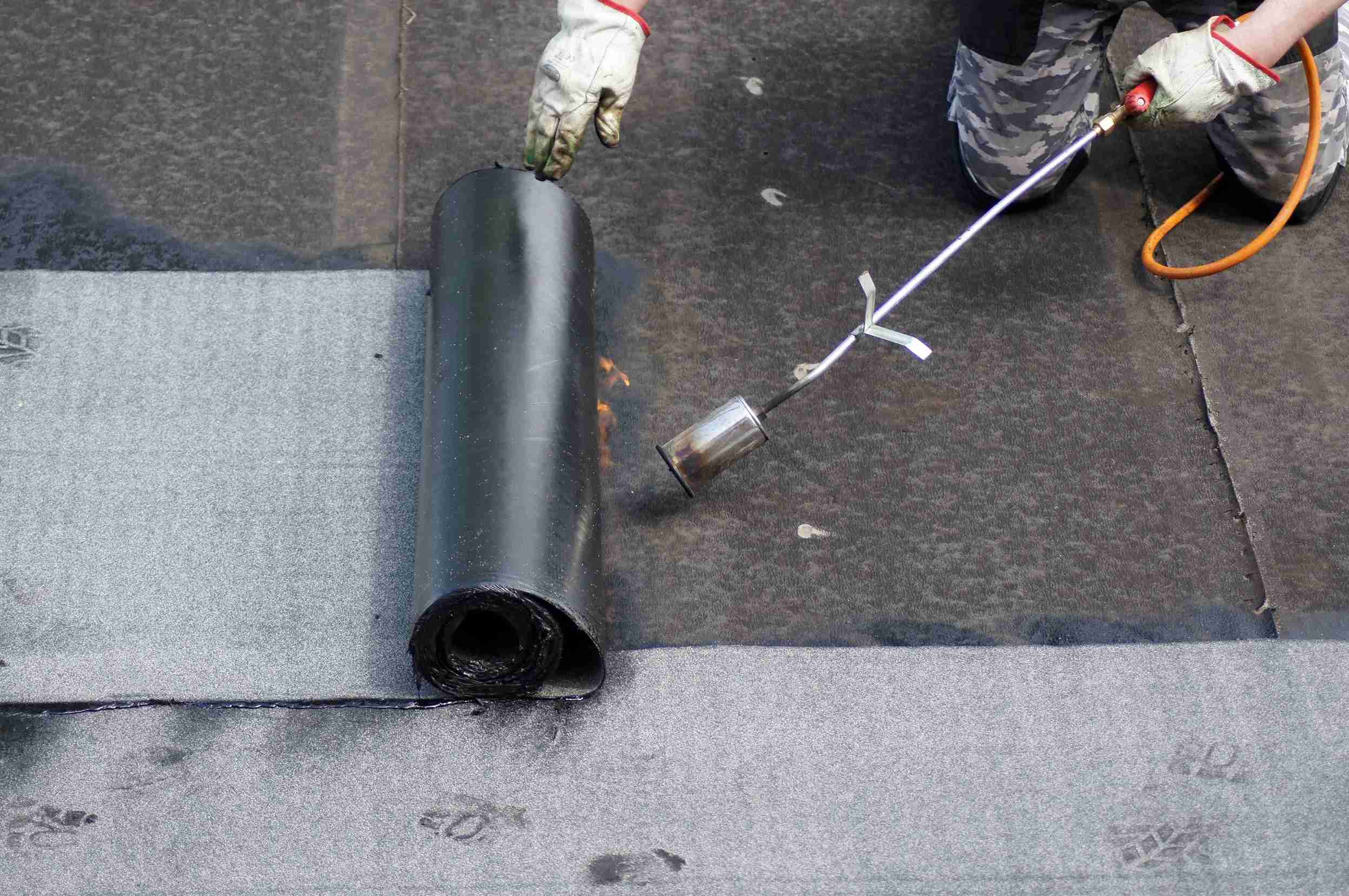
Torch-applied installation: Uses a propane torch to melt the bottom layer, creating an immediate waterproof bond. This method works exceptionally well in Jacksonville's heat, as the ambient temperature aids curing.
Cold-applied adhesive: Safer for occupied buildings, using specialized adhesives instead of open flame. Perfect for healthcare facilities, schools, and retail spaces that can't shut down during installation.
Self-adhering sheets: Peel-and-stick technology for smaller projects or repairs, reducing labor costs and installation time.
The flexibility in installation methods makes what is modified bitumen roofing system adaptable to various project constraints. Morgan Conley Roofing and Repair, LLC routinely completes installations with minimal business disruption—critical for Jacksonville's commercial operations.
Durability That Withstands Hurricanes 🌪️
Hurricane resilience is paramount when considering what is modified bitumen roofing system can withstand. Jacksonville sits in a hurricane-vulnerable zone, with major storms like Irma and Matthew causing extensive commercial roof damage in recent years.
Modified bitumen's multi-ply construction creates a mechanical advantage:
Wind uplift resistance: Properly installed systems resist winds exceeding 100 mph
Impact resistance: Granulated surfaces withstand flying debris without puncturing
Water infiltration barrier: Multiple waterproofing layers prevent leaks even when the cap sheet is compromised
Flexibility: Polymer modifiers allow the membrane to flex rather than tear under stress
Property insurance companies often offer premium discounts for buildings with modified bitumen roofing—recognition of the system's superior storm performance. Understanding what is modified bitumen roofing system brings to hurricane preparedness helps Jacksonville businesses protect their most valuable asset.
Energy Efficiency Benefits ⚡
Modern interpretations of what is modified bitumen roofing system includes white or reflective granule cap sheets that significantly reduce cooling costs. Jacksonville's intense summer sun can heat traditional dark roofs to 170°F, forcing HVAC systems to work overtime.
Energy performance metrics:
Reflective modified bitumen can lower roof surface temperatures by 50-80°F
Commercial buildings report 15-25% reduction in summer cooling costs
Improved insulation values when combined with polyiso or XPS rigid insulation boards
Qualifies for Energy Star certification and potential tax incentives
The answer to what is modified bitumen roofing system can do for operational expenses becomes clear through reduced utility bills. Many Jacksonville warehouse and distribution center owners see annual energy savings of $2,000-$8,000 depending on building size—substantial ROI enhancement beyond the roof's protective function.
Maintenance and Longevity Expectations 🔧
Defining what is modified bitumen roofing system requires in realistic maintenance terms sets proper expectations. These roofs aren't maintenance-free, but they demand significantly less attention than alternatives.
Recommended maintenance schedule:
Bi-annual inspections (pre and post hurricane season)
Immediate debris removal after storms
Cleaning drainage systems quarterly
Addressing small repairs within 30 days of detection
Professional coating reapplication every 8-10 years
The redundant layer design inherent to what is modified bitumen roofing system means small punctures or tears rarely cause interior leaks. Jacksonville property managers appreciate the time buffer for scheduling repairs without emergency service premiums. With proper maintenance, modified bitumen roofs regularly exceed their 20-year expected lifespan, with some installations performing well into year 30.
Common Applications Across Jacksonville 🏭
Exploring what is modified bitumen roofing system is ideal for reveals its versatility. Jacksonville's diverse commercial landscape provides numerous applications:
Warehouses and distribution centers: Low-slope roofs benefit from modified bitumen's puncture resistance and reflective properties. The Port of Jacksonville area features dozens of facilities protected by this system.
Retail strip malls: The cost-effective installation and long lifespan align with commercial property investment models. Multi-tenant properties appreciate the minimal disruption during installation.
Medical facilities: Cold-applied modified bitumen allows occupied healthcare buildings to receive new roofs without flame hazards or strong odors affecting patients.
Educational institutions: Schools and universities across Jacksonville choose modified bitumen for its longevity and budget-friendly lifecycle costs.
Understanding what is modified bitumen roofing system brings to different building types helps property owners match roofing technology to operational requirements.
Conclusion
Understanding what is modified bitumen roofing system represents is essential for Jacksonville commercial property owners seeking long-term roofing solutions. This proven technology delivers the perfect combination of hurricane resistance, UV protection, energy efficiency, and cost-effectiveness that Florida's climate demands. The multi-ply construction, polymer-enhanced flexibility, and reflective surfaces make modified bitumen the dominant choice across Jacksonville's commercial roofing market.
When property managers research what is modified bitumen roofing system can accomplish, they discover a material engineered specifically for challenging environments like Jacksonville. The superior ROI, extended lifespan, and reduced maintenance requirements continue driving adoption across warehouses, retail centers, and institutional buildings throughout Northeast Florida.
Ready to protect your commercial property with industry-leading modified bitumen roofing? Morgan Conley Roofing and Repair, LLC serves Jacksonville, Florida, with expert installation and maintenance services. Located at 2345 Rogero RD, Jacksonville, FL 32211, our experienced team understands Jacksonville's unique roofing challenges. Schedule your professional roof assessment today and discover why modified bitumen remains the gold standard for commercial roofing protection in Florida's demanding climate.
Frequently Asked Questions ❓
How long does a modified bitumen roof last in Jacksonville's climate?
Modified bitumen roofs typically last 20-25 years in Jacksonville with proper maintenance. The polymer-enhanced membranes resist UV degradation and thermal stress better than traditional built-up roofing. Regular inspections and minor repairs can extend lifespan to 30+ years, making it one of the most durable commercial roofing options for Florida's challenging environment.
Can I install modified bitumen over my existing commercial roof?
Yes, modified bitumen can often be installed over existing roofing systems if the substrate is structurally sound and dry. This overlay approach reduces disposal costs and installation time. However, a professional inspection is essential to determine if your existing roof deck can support the additional weight and whether moisture has compromised the underlying structure.
What is the best installation method for modified bitumen in hot climates?
Torch-applied installation performs exceptionally well in Jacksonville's heat, creating superior adhesion and immediate waterproofing. However, cold-applied adhesive methods are safer for occupied buildings and eliminate flame hazards. Self-adhering sheets work well for smaller projects. The best method depends on your building type, occupancy, and project timeline—consult with experienced contractors for guidance.
How does modified bitumen perform during hurricanes?
Modified bitumen offers excellent hurricane resistance when properly installed. The multi-ply system withstands wind uplift exceeding 100 mph, while granulated surfaces resist impact from flying debris. The redundant waterproofing layers ensure protection even if the cap sheet is damaged. Many Jacksonville buildings with modified bitumen roofs survived recent hurricanes with minimal damage.
What maintenance does modified bitumen roofing require?
Modified bitumen requires bi-annual inspections, quarterly drainage cleaning, and prompt repair of any punctures or tears. Every 8-10 years, applying a protective coating extends lifespan and maintains energy efficiency. This maintenance schedule is less intensive than TPO or EPDM alternatives, making modified bitumen cost-effective over its lifecycle.
People Also Ask 🔍
Is modified bitumen better than TPO for commercial buildings?
Modified bitumen offers superior puncture resistance and easier repairs compared to TPO, making it ideal for roofs with regular foot traffic or equipment installations. While TPO provides better reflectivity initially, modified bitumen with reflective granules delivers comparable energy savings at a lower cost. Jacksonville's intense UV exposure can degrade TPO seams faster than modified bitumen's overlapped construction.
Can you walk on a modified bitumen roof?
Yes, modified bitumen roofs are designed for foot traffic and equipment access. The granulated surface provides traction, and the multi-ply construction resists punctures from regular maintenance activities. However, excessive foot traffic or heavy equipment can still cause wear—installing walkway pads in high-traffic areas extends roof lifespan significantly.
Does modified bitumen roofing qualify for energy tax credits?
Modified bitumen with reflective granules or coatings that meet Energy Star requirements qualifies for commercial building energy efficiency tax deductions under Section 179D. Jacksonville property owners can potentially deduct up to $1.88 per square foot for qualifying roofing systems that reduce energy consumption. Consult your tax advisor to determine specific eligibility for your installation.
What's the difference between SBS and APP modified bitumen?
SBS (styrene-butadiene-styrene) modified bitumen offers superior flexibility and cold-weather performance, remaining pliable even in freezing temperatures. APP (atactic polypropylene) modified bitumen provides excellent heat and UV resistance, ideal for hot climates like Jacksonville. Most Florida installations use APP modified bitumen for its superior performance in high-temperature, high-UV environments.
How much does it cost to replace a commercial roof with modified bitumen?
Commercial modified bitumen roof replacement in Jacksonville typically costs $4.00-$7.00 per square foot, including tear-off, disposal, and installation. A 10,000 square foot commercial building would range from $40,000-$70,000 depending on complexity, insulation requirements, and installation method. This cost includes 20-25 years of reliable protection, making the annual cost extremely competitive with other commercial roofing systems.