What Is Considered Storm Damage to Roof? Jacksonville Homeowner's Guide
Understanding what is considered storm damage to roof structures can make the difference between a successful insurance claim and thousands of dollars in out-of-pocket expenses. Morgan Conley Roofing and Repair, LLC has helped countless Jacksonville, FL homeowners identify, document, and repair legitimate storm damage, navigating the often-confusing insurance claims process with expertise and transparency. Located at 2345 Rogero RD, Jacksonville, FL 32211, their team brings extensive experience recognizing storm damage patterns specific to Florida's coastal climate and severe weather events.
Jacksonville experiences diverse weather threats—from powerful hurricanes and tropical storms to severe thunderstorms, occasional tornadoes, and even rare hail events. Each weather system creates distinct damage patterns on roofing systems. Knowing what qualifies as storm damage helps homeowners act quickly, document properly, and secure the coverage their insurance policies promise. This comprehensive guide explains exactly what insurance companies recognize as legitimate storm damage and how to protect your rights as a policyholder.
🌀 Official Definition: What Is Considered Storm Damage to Roof?
What is considered storm damage to roof structures by insurance standards? Storm damage refers to roof deterioration or destruction caused by specific weather events rather than gradual wear, aging, or poor maintenance.
Qualifying Weather Events:
Hurricanes and tropical storms with sustained winds 39+ mph
Severe thunderstorms producing damaging winds, lightning, or hail
Tornadoes with rotating winds causing direct or indirect damage
Hail events regardless of size (documented damage required)
Wind-driven rain penetrating compromised areas during storms
Key Distinction—Sudden vs. Gradual: Insurance policies cover sudden, accidental damage from identifiable weather events. They typically exclude gradual deterioration, normal wear and tear, or pre-existing conditions that worsen during storms. This distinction is crucial when determining what is considered storm damage to roof areas.
💨 Wind Damage: The Most Common Storm Impact
Wind represents Jacksonville's primary storm damage threat. Understanding what is considered storm damage to roof from wind helps identify legitimate claims.
Shingle Blow-Off and Lifting:
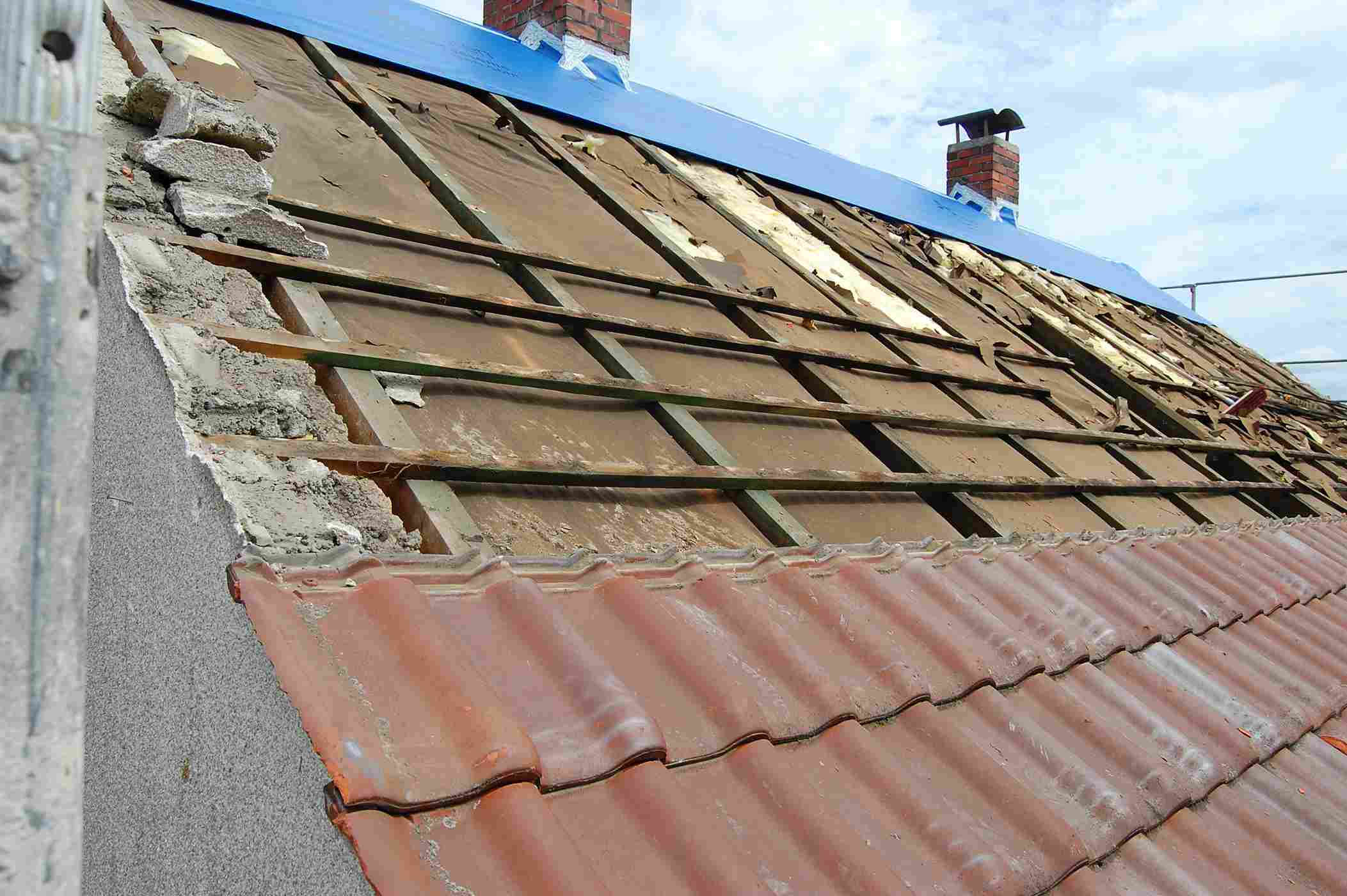
Complete shingle removal exposing underlayment or decking
Partially lifted shingles with broken seals
Creased or folded shingles from wind pressure
Missing ridge caps or starter strips
Tab tears or separations
Wind Speed Thresholds: Most insurance policies don't require specific wind speeds, but damage must be consistent with documented storm conditions. Jacksonville's hurricanes regularly produce 75-130+ mph winds, while severe thunderstorms generate 50-70 mph gusts—both sufficient to damage roofs.
Directional Patterns: Legitimate wind damage typically shows directional patterns matching storm winds. Random damage without consistent orientation may indicate pre-existing problems rather than acute storm impact.
Secondary Wind Damage: Wind-driven debris impacts, lifted flashing, and stress damage to fasteners all qualify when they result from documented weather events.
⚡ Hail Damage Recognition and Documentation
While less common in Jacksonville than wind damage, hail events occur and create specific damage patterns. Knowing what is considered storm damage to roof from hail ensures proper identification.
Visible Hail Impact Signs:
Circular dents or bruises on shingles
Granule loss in concentrated impact areas
Cracked or fractured shingles at impact points
Dents on metal components (vents, flashing, gutters)
Damaged soft metal like air conditioning units
Hail Size Matters: Insurance companies recognize that larger hail (1 inch+) causes obvious damage, while smaller hail may create cumulative deterioration. Even pea-sized hail can compromise shingle integrity when it strikes in high volumes.
Pattern Recognition: Legitimate hail damage shows random distribution across exposed surfaces. Concentrated damage in specific areas might indicate other causes. Professional inspectors examine multiple roof areas plus ground-level indicators like damaged siding, air conditioning units, or vehicles.
Hidden Hail Impact: Granule loss may not be immediately visible but becomes apparent within months as damaged areas age faster. Morgan Conley Roofing and Repair, LLC uses specialized techniques to identify subtle hail damage insurance adjusters might miss.
🌳 Tree and Debris Impact Damage
Jacksonville's mature tree canopy becomes dangerous during storms. Understanding what is considered storm damage to roof from falling objects protects your claim rights.
Direct Tree Falls:
Crushed or punctured roof sections from trunk impacts
Broken rafters or trusses requiring structural repair
Compressed or displaced decking
Shattered skylights or roof penetrations
Branch and Limb Damage: Smaller branches create:
Punctures through shingles into underlayment
Scratched or abraded shingle surfaces
Displaced or damaged flashing
Broken ridge vents or caps
Accumulated Debris: Heavy leaf and branch accumulation during storms can trap moisture, clog drainage systems, and create localized damage. While typically maintenance-related, storm-driven accumulation causing acute damage may qualify for coverage.
Chain Reaction Damage: Trees falling on neighboring structures that then damage your roof, or debris from nearby properties impacting your home during storms, all constitute legitimate storm damage.
💧 Water Intrusion and Storm-Related Leaks
Water damage following storms raises questions about what is considered storm damage to roof versus pre-existing leaks.
Wind-Driven Rain: Jacksonville storms often produce horizontal rain that penetrates areas normally protected. When documented storm conditions drove rain through newly compromised areas, coverage typically applies.
Secondary Water Damage: Interior ceiling stains, insulation saturation, mold growth, and structural wood damage resulting from covered storm damage generally qualify for claims. Document everything immediately—water damage worsens rapidly in Florida's humidity.
Timing Matters: Water intrusion discovered during or immediately after documented storms strengthens claims. Damage appearing weeks later raises questions about causation and may face coverage disputes.
🏗️ Structural Storm Damage Beyond Shingles
What is considered storm damage to roof extends beyond visible surface damage to structural components.
Decking and Substrate Damage:
Cracked, split, or water-damaged plywood or OSB decking
Rotted or compressed decking from impacts or water intrusion
Displaced decking from extreme wind uplift
Flashing Failures: Storm winds separate or tear flashing around:
Chimneys and skylights
Roof valleys and intersections
Wall and dormer connections
Pipe penetrations and vents
Fascia and Soffit Damage: High winds commonly damage roof edges, tearing fascia boards, crushing soffit panels, or separating these components from the roofline. This peripheral damage often accompanies broader roof damage.
Ventilation System Impacts: Ridge vents, turbine vents, and gable vents frequently sustain damage during severe weather. Missing, cracked, or non-functional ventilation components qualify as storm damage when caused by documented events.
📸 Proper Storm Damage Documentation
Insurance companies require proof of storm damage. Knowing what is considered storm damage to roof isn't enough—you must document it effectively.
Immediate Post-Storm Actions:
Safety first – Never climb on damaged roofs
Take photos and video from ground level showing damage
Document the date and storm event that caused damage
Note any interior impacts like leaks or ceiling stains
Contact your insurer within 24-48 hours
Professional Documentation: Reputable contractors like Morgan Conley Roofing and Repair, LLC provide:
Comprehensive photo documentation from roof level
Written damage assessments with technical descriptions
Repair estimates itemizing all necessary work
Historical weather data linking damage to specific events
What Insurance Adjusters Look For:
Damage consistent with documented weather events
Impact patterns matching storm direction and intensity
Fresh damage versus pre-existing deterioration
Adequate roof maintenance history
Proper installation of original materials
⚖️ Common Coverage Disputes and How to Win
Even legitimate storm damage sometimes faces insurance resistance. Understanding what is considered storm damage to roof by policy standards helps overcome objections.
"That's Normal Wear and Tear": Adjusters may claim age-related deterioration rather than storm damage. Counter with:
Documentation of recent roof inspections showing good condition
Evidence the damage appeared immediately after documented storms
Expert opinions from licensed contractors
Photos showing sudden damage patterns versus gradual aging
"Pre-Existing Condition": Insurers sometimes argue damage existed before the storm. Protect yourself by:
Maintaining regular inspection records
Taking periodic condition photos
Documenting the specific storm event
Hiring professionals who understand burden-of-proof requirements
Depreciation and ACV Policies: Some policies pay Actual Cash Value (depreciated amount) initially, then recoverable depreciation after repairs complete. Understand your policy and claim the full entitled amount.
Insufficient Damage Claims: Adjusters may suggest cosmetic damage only. Licensed contractors can identify and document functional impairments that demand coverage.
🛡️ Preventive Measures and Maintenance Impact
While maintenance doesn't prevent storm damage, it strengthens claims by proving proper care. Understanding what is considered storm damage to roof includes recognizing how maintenance affects coverage.
Why Maintenance Matters: Insurance companies expect reasonable roof care. Well-maintained roofs with sudden storm damage receive faster approval than neglected roofs where storm events worsened existing problems.
Recommended Jacksonville Maintenance:
Bi-annual professional inspections (spring and fall)
Immediate minor repair of identified issues
Regular gutter cleaning and debris removal
Tree trimming to prevent contact during storms
Documentation of all maintenance activities
The Maintenance-Coverage Balance: Minor pre-existing issues don't void storm damage coverage. If a storm causes new damage or significantly worsens small problems, legitimate claims exist for the storm-related portion.
📋 Insurance Policy Fine Print: Know Your Coverage
Different policies define what is considered storm damage to roof with varying specificity. Review your policy before storms strike.
Named Peril vs. All Risk:
Named peril policies cover only specifically listed events
All risk policies cover everything except specific exclusions
Most Florida homeowners have wind/hail coverage as named perils
Wind Deductibles: Many Jacksonville policies include separate hurricane or wind deductibles, often 2-5% of dwelling coverage rather than standard dollar amounts. A $300,000 home might have a $6,000-15,000 wind deductible.
Exclusions to Understand:
Cosmetic damage (varies by policy)
Earth movement (not typically storm-related)
Neglect or maintenance failures
Wear and tear from any cause
Replacement Cost vs. ACV: Replacement cost policies pay for new materials regardless of age. ACV policies deduct depreciation. This drastically affects claim payouts for older roofs.
📞 Get Expert Storm Damage Assessment Today
Now that you understand what is considered storm damage to roof structures, don't leave your home vulnerable or your insurance rights unprotected. Jacksonville's storm threats demand vigilance and professional expertise.
Schedule a comprehensive roof inspection with Morgan Conley Roofing and Repair, LLC in Jacksonville, FL today. Their experienced team identifies all types of storm damage, provides detailed documentation for insurance claims, and delivers quality repairs that restore your home's protection. Whether you're dealing with fresh storm damage or want pre-season peace of mind, they offer honest assessments and transparent service Jacksonville homeowners trust. Don't wait for small damage to become major problems—contact them at (904) 490-8390 or visit 2345 Rogero RD, Jacksonville, FL 32211 to protect your home and your insurance rights with experts who understand exactly what is considered storm damage to roof systems.
❓ Frequently Asked Questions
How do I know if my roof damage is from a storm or just old age?
Storm damage appears suddenly after documented weather events and shows patterns consistent with wind direction, hail impacts, or debris strikes. Age-related damage develops gradually over time. Professional inspectors from companies like Morgan Conley Roofing and Repair, LLC can definitively distinguish between acute storm damage and chronic deterioration.
What is considered storm damage to roof for insurance purposes?
Insurance companies recognize damage from hurricanes, severe thunderstorms, tornadoes, hail, wind-driven rain, and falling trees/debris during storms. The damage must result from a specific, documented weather event rather than gradual wear. Coverage includes shingle damage, structural impacts, flashing failures, and related water intrusion.
How long do I have to file a storm damage claim in Florida?
Florida law requires insurers to accept claims for at least three years after loss occurrence, but most policies require notification within days or weeks. Contact your insurer within 24-48 hours of discovering storm damage to preserve your rights and prevent claim denial.
Will my insurance cover old storm damage I just discovered?
Possibly, if the damage occurred within your policy's timeframe and you can document when it happened. However, delays weaken claims. Insurance companies prefer immediate reporting. Hidden damage discovered during professional inspections after known storms may still qualify with proper documentation.
Can insurance deny my claim if my roof was already old?
No, if the storm caused new damage or substantially worsened existing conditions. However, policies typically won't replace entire roofs for minor damage to aged systems. You're entitled to coverage for the storm-damaged portions, though payment might be adjusted for depreciation on ACV policies.
🔍 People Also Ask
What does wind damage to a roof look like?
Wind damage appears as missing or lifted shingles, torn ridge caps, displaced flashing, and debris impacts. Damage typically shows directional patterns matching storm winds. Professional assessment identifies both obvious and subtle wind damage that qualifies as what is considered storm damage to roof structures.
How much wind does it take to damage a roof?
Winds of 50-60 mph can lift poorly attached shingles, while 70+ mph winds damage well-maintained roofs. Jacksonville hurricanes produce 75-130+ mph winds causing extensive damage. However, insurance doesn't require specific wind speeds—only damage consistent with documented storm conditions.
Does homeowners insurance cover storm damage to roofs?
Yes, standard Florida homeowners insurance covers storm damage from wind, hail, lightning, and falling objects during storms. Coverage applies to both roof repairs and related interior water damage. However, separate wind deductibles often apply, and policies vary in specifics.
What should I do immediately after a storm damages my roof?
Document damage with photos/video, contact your insurance company within 24-48 hours, arrange emergency tarping if needed to prevent further damage, and schedule professional inspection. Avoid permanent repairs before adjuster inspection unless necessary to prevent additional damage.
How do adjusters determine what is considered storm damage to roof?
Insurance adjusters examine damage patterns, review weather data for documented storms, assess whether damage is consistent with recent events versus gradual deterioration, and evaluate maintenance history. They look for sudden impact evidence rather than age-related wear when determining legitimate storm damage coverage.