Silicone Roof Coating Worth It? A Jacksonville Homeowner's Guide
Is Silicone Roof Coating Actually Worth the Investment? 🤔
If you've been told your flat or low-slope roof needs attention, there's a good chance someone has mentioned silicone roof coating as an alternative to full replacement. But is silicone roof coating worth it — especially in Jacksonville, FL's demanding climate? It's a fair question, and the answer isn't one-size-fits-all. At Morgan Conley Roofing and Repair, LLC, we help Jacksonville homeowners and commercial property owners cut through the noise and make decisions grounded in real value. Here's everything you need to know.
What Is Silicone Roof Coating?
Silicone roof coating is a liquid-applied membrane that is rolled or sprayed directly onto an existing roof surface — most commonly flat or low-slope roofs. Once cured, it forms a seamless, waterproof, UV-resistant barrier over the entire roof.
It's not a paint. It's not a patch. It's a fully bonded protective layer that:
Seals existing seams, cracks, and minor vulnerabilities
Reflects UV rays to reduce heat absorption
Creates a waterproof surface that holds up even under ponding water
Extends the functional life of an aging roof system
Silicone coating is most commonly applied to TPO, EPDM, modified bitumen, metal, and spray polyurethane foam (SPF) roofs. It's rarely used on steep-slope residential shingle roofs.
Why Jacksonville Properties Are Ideal Candidates 🌞
Jacksonville's climate creates near-perfect conditions for silicone roof coating to deliver serious value. Here's why:
UV Intensity: Jacksonville averages 233 sunny days per year. Silicone coatings reflect up to 85–90% of solar radiation, dramatically reducing surface temperatures and the heat transferred into your building. That directly translates to lower cooling costs — a real win during Jacksonville's long, brutal summers.
Heavy Rainfall and Ponding Water: Unlike acrylic coatings that break down when submerged, silicone maintains full integrity under standing water. In a city that receives 52+ inches of rain annually, this is a critical advantage.
Hurricane Season: Silicone coating creates a seamless membrane with no exposed seams or fasteners — eliminating many of the entry points that storm-driven rain exploits during tropical weather events.
Aging Flat Roofs: Jacksonville has a large inventory of commercial and residential flat-roof properties. Many are approaching the end of their membrane lifespan but are structurally sound — making them perfect candidates for coating rather than full replacement.
Is Silicone Roof Coating Worth It? The Core Benefits
Here's where we get into what most Jacksonville property owners actually want to know:
✅ Significant Cost Savings vs. Replacement A full flat roof replacement in Jacksonville typically costs $5–$12 per square foot. Silicone coating runs $2–$4 per square foot — often 50–70% less. For a 2,000 sq ft roof, that's a potential savings of $6,000 to $16,000.
✅ Extends Roof Life by 10–20 Years A properly applied silicone coating can add a decade or more to a roof that would otherwise need replacement within a few years. That's meaningful lifespan extension for a fraction of the replacement cost.
✅ Energy Efficiency Gains Reflective silicone coatings are classified as cool roofs by the EPA's ENERGY STAR program. Jacksonville building owners regularly report 10–20% reductions in cooling costs after application — real monthly savings that compound over time.
✅ Seamless Waterproofing No seams means no weak points. Silicone coating bonds to the existing surface and cures into a continuous membrane — one of the most effective waterproofing solutions available for flat and low-slope roofs.
✅ Low Maintenance Once applied, silicone coating requires minimal upkeep. Periodic inspections and occasional recoating (every 10–15 years) keep the system performing at full capacity.
✅ Qualifies for Tax Incentives Cool roof coatings may qualify for federal energy efficiency tax credits and local Florida utility rebates, improving the overall ROI of the investment.
When Silicone Roof Coating Is NOT Worth It ⚠️
To be fair — silicone coating isn't the right solution for every situation. Here's when it doesn't make sense:
Severely deteriorated roof decking — coating seals the surface but can't fix structural rot or compromised decking underneath
Active, widespread leaks — coating over an actively leaking roof without addressing the source will fail quickly
Roofs with extensive blistering or delamination — the coating won't bond properly to a compromised membrane
Roofs at the very end of their structural lifespan — if the underlying system is beyond saving, replacement is the only responsible path
Steep-slope shingle roofs — silicone coating is designed for flat and low-slope applications, not traditional residential pitched roofs
A reputable contractor will assess your roof honestly and tell you when coating makes sense — and when it doesn't. Be cautious of anyone who recommends coating for every situation without a thorough inspection first.
Silicone vs. Other Roof Coatings: How Does It Compare?
For Jacksonville's combination of UV intensity, heavy rainfall, and ponding water risk — silicone consistently outperforms acrylic and polyurethane alternatives. Acrylic coatings in particular degrade quickly under sustained water exposure, making them a poor fit for Florida's climate.
What Does Silicone Roof Coating Cost in Jacksonville, FL? 💰
Cost varies based on roof size, condition, and the number of coats required. Here's a realistic breakdown for Jacksonville properties:
Material cost: $0.75–$1.50 per square foot
Labor cost: $1.00–$2.50 per square foot
Total installed cost: $2.00–$4.00 per square foot
Average 2,000 sq ft roof: $4,000–$8,000 fully installed
Average 5,000 sq ft commercial roof: $10,000–$20,000 fully installed
Compare that to full replacement at $5–$12 per square foot and the value proposition becomes clear — especially when the underlying roof structure is sound. Factor in energy savings, extended lifespan, and potential tax incentives, and silicone roof coating is worth it for most qualifying Jacksonville properties.
The Silicone Coating Application Process: What to Expect
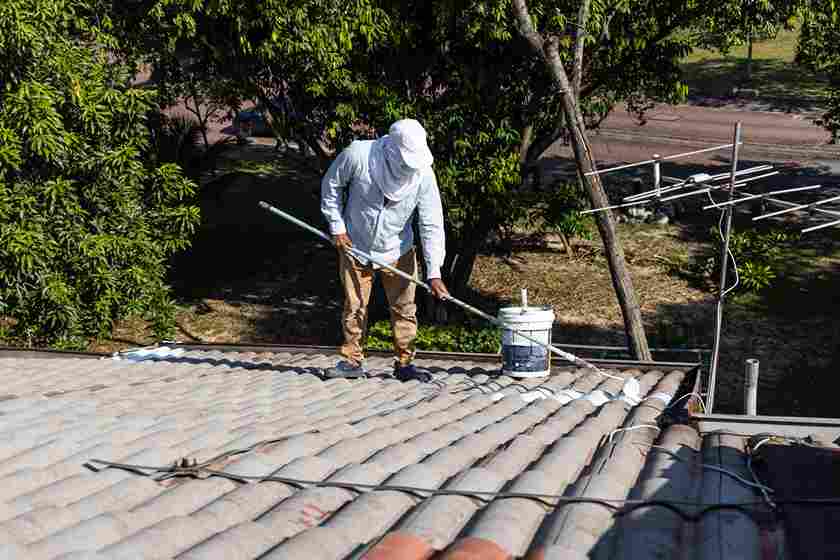
Understanding the process helps set realistic expectations. Here's how a professional application typically unfolds:
Roof inspection — assess substrate condition, identify leaks, and determine coating suitability
Surface cleaning — thorough pressure washing to remove dirt, algae, and debris (critical for proper adhesion)
Repairs — address seams, cracks, and localized damage before coating is applied
Primer application — on certain substrates, a bonding primer ensures maximum adhesion
First coat application — rolled or sprayed at specified thickness (typically 20–30 mils wet)
Second coat application — applied after the first coat cures for a fully sealed, uniform membrane
Final inspection — check coverage, thickness, and adhesion across the entire surface
The process typically takes 1–3 days for residential properties and 3–7 days for larger commercial roofs depending on weather and drying time.
So — Is Silicone Roof Coating Worth It in Jacksonville? ✅
For flat and low-slope roofs in structurally sound condition, the answer is almost always yes. Silicone roof coating is worth it when you're looking at a roof that has years of serviceable life left in its decking and structure but needs surface protection and waterproofing. The math is straightforward — fraction of the replacement cost, meaningful energy savings, 10–20 years of added lifespan, and seamless performance through Jacksonville's toughest weather.
Contact Morgan Conley Roofing and Repair, LLC, located at 2345 Rogero Road, Jacksonville, FL 32211, or visit morganconleyroofing.org to schedule a roof assessment and find out if silicone coating is the right solution for your property. Proudly serving Jacksonville, FL with honest evaluations and quality applications — no upselling, just results.
Frequently Asked Questions
How long does silicone roof coating last in Jacksonville, FL?
A professionally applied silicone roof coating typically lasts 10 to 20 years in Jacksonville's climate. Its resistance to UV radiation and ponding water makes it one of the most durable coating options available for Florida's environment.
Can silicone roof coating be applied over an existing membrane?
Yes. Silicone coating can be applied directly over most existing flat roof membranes — including TPO, EPDM, modified bitumen, and metal — as long as the substrate is structurally sound, clean, and free of active leaks.
Will silicone roof coating stop leaks?
Silicone coating seals minor cracks, seams, and surface vulnerabilities effectively. However, it is not a substitute for repairing active leaks before application. A thorough inspection and targeted repairs should always precede any coating project.
Does silicone roof coating really reduce energy bills in Jacksonville?
Yes. Reflective silicone coatings reduce rooftop surface temperatures significantly — sometimes by 50–80°F on peak summer days. Jacksonville property owners regularly report 10 to 20% reductions in cooling costs after application, which adds up quickly in Florida's long cooling season.
How many coats of silicone coating does a roof need?
Most applications require two coats for proper coverage and thickness — typically a combined wet film thickness of 20 to 30 mils. Some manufacturers require two coats to validate their warranty. Your contractor will specify the correct application rate based on your roof's condition and the product used.
People Also Ask
What roofs are best suited for silicone coating in Jacksonville?
Flat and low-slope roofs in sound structural condition are ideal candidates — including TPO, EPDM, modified bitumen, metal, and SPF foam roofs. Commercial buildings, modern homes, and residential additions with flat roof sections are the most common applications in Jacksonville.
How does silicone roof coating perform during hurricane season?
Silicone coating creates a seamless, fully bonded membrane with no exposed seams or fasteners — eliminating many of the entry points that storm-driven rain exploits. While it's not a substitute for proper structural hurricane preparation, it significantly improves a flat roof's water resistance during tropical weather events.
Is silicone roof coating covered by homeowner's insurance in Florida?
Silicone coating itself is typically considered a maintenance or improvement expense rather than an insurance claim item. However, if your roof coating is applied as part of storm damage remediation, portions of the project may be covered. Always confirm with your insurer before beginning work.
What is the difference between silicone coating and roof replacement?
Roof replacement removes the existing system entirely and installs a new one — necessary when the roof deck or structure is compromised. Silicone coating preserves and protects an existing structurally sound roof at a fraction of the replacement cost. Coating is restoration; replacement is reconstruction.
Can silicone roof coating be recoated when it wears out?
Yes — and this is one of its key long-term advantages. When silicone coating eventually thins or shows wear after 10 to 20 years, a new coat can be applied directly over the existing one without stripping or tear-off. This makes it a highly cost-effective long-term roofing strategy for Jacksonville property owners.