Hurricane Season Roof Preparation Tips for Jacksonville Homeowners
If you live in Jacksonville, FL, you already know — hurricane season is not something to take lightly. Strong winds, torrential rain, and flying debris can destroy an unprepared roof in hours. That's why hurricane roof preparation in Jacksonville, FL needs to happen long before the first storm warning appears on your screen. At Morgan Conley Roofing and Repair, LLC, we help Jacksonville homeowners get storm-ready before disaster strikes. Here's everything you need to know.
Why Hurricane Roof Preparation in Jacksonville, FL Matters
Jacksonville sits in a high-risk zone for tropical storms and hurricanes driven by both Atlantic and Gulf weather patterns. Without proper hurricane roof preparation, even a Category 1 storm can cause devastating roof damage — from missing shingles to full structural failure.
Here's what's at stake if your roof isn't ready:
💸 Costly repairs not fully covered by insurance
🏠 Interior water damage to ceilings, walls, and belongings
📉 Decreased home equity and resale value
⚠️ Safety hazards for your family during and after the storm
Step-by-Step Hurricane Roof Preparation Checklist
Don't wait until the storm is on the radar. Use this checklist to get ahead of hurricane season:
Schedule a professional roof inspection before hurricane season (June–November)
Replace damaged, curling, or missing shingles immediately
Inspect and reseal all roof flashing around chimneys, vents, and skylights
Clean gutters and downspouts to ensure proper drainage during heavy rain
Trim overhanging tree branches that could fall on your roof in high winds
Consider installing hurricane straps or clips for added structural reinforcement
Review your homeowner's insurance policy for hurricane coverage and deductibles
Signs Your Roof Is NOT Storm-Ready ⚠️
A regular roof inspection before hurricane season can reveal serious red flags. Watch for:
Cracked, curling, or missing shingles
Soft spots or sagging areas on the roof deck
Rust or separation around flashing
Granule loss collecting in gutters (a sign shingles are aging fast)
Leaks or water stains in the attic or ceiling
Any of these issues can become catastrophic during a hurricane. Hurricane roof preparation in Jacksonville, FL starts with knowing what's already broken — before the storm exposes it the hard way.
Hurricane Roof Preparation: Cost vs. Risk Breakdown
Planning your budget? Here's a realistic look at preparation costs versus potential storm damage:
How Roof Materials Hold Up in a Jacksonville Hurricane
Not all roofing materials perform the same under storm conditions. Here's how common options handle hurricane-force winds in Jacksonville:
Asphalt Shingles
The most common roof type in Jacksonville. Wind-rated shingles (Class H or IR) can withstand winds up to 130 mph. For hurricane roof preparation, look for shingles rated to Florida Building Code wind standards.
Metal Roofing
Best overall for storm protection. Metal roofs can handle winds up to 160 mph and resist impact from airborne debris. They're increasingly popular throughout hurricane-prone areas of Northeast Florida.
Tile Roofing
Clay and concrete tiles offer excellent durability but can crack on impact. Proper installation with hurricane clips is essential — otherwise tiles can become dangerous projectiles in high winds.
What to Do Right Before a Hurricane Hits 🌧️
When a storm is imminent, take these last-minute steps:
Do a quick visual inspection of your roof for any loose or lifted shingles
Clear gutters of any debris that accumulated since your last cleaning
Document your roof's current condition with photos for insurance purposes
Board up skylights or vulnerable penetrations if recommended by your contractor
Move or secure outdoor furniture and equipment near your home
These small actions can make a significant difference in how your roof survives — and how smoothly your insurance claim goes afterward.
After the Storm: Post-Hurricane Roof Assessment
Once the storm passes, don't skip the post-hurricane roof inspection. Even if your roof looks fine from the ground, hidden damage can worsen with the next rain.
After a hurricane in Jacksonville, look for:
Missing, cracked, or displaced shingles
Dented gutters or downspouts from hail or debris impact
Water stains inside your attic or on upper ceilings
Damaged or detached flashing around vents and chimneys
Pooling water on flat or low-slope roof sections
Filing an insurance claim? A professional damage assessment from a licensed contractor supports your claim and helps ensure a fair payout. Post-storm roof inspections are a service Morgan Conley Roofing provides throughout Jacksonville, FL.
How Often Should You Do Hurricane Roof Preparation in Jacksonville?
Stick to this simple annual maintenance timeline:
🗓️ Every Spring (April–May): Full roof inspection before hurricane season starts
🗓️ Mid-Season Check (August): Quick visual and gutter inspection
🗓️ After Every Major Storm: Professional damage assessment
🗓️ Every 3–5 Years: Full preventative maintenance — flashing resealing, shingle evaluation, structural check
Staying consistent ensures your hurricane roof preparation in Jacksonville, FL is never an afterthought — and that your insurance coverage stays valid when you need it most.
Protect Your Home Before the Storm Arrives 🏡
Hurricane season in Jacksonville is not something to face with a compromised roof. With proper hurricane roof preparation, you can protect your home, your family, and your investment long before the first storm band reaches shore. Don't wait for a hurricane watch to take action — by then, every roofer in Jacksonville is booked solid.
Reach out to Morgan Conley Roofing and Repair, LLC, located at 2345 Rogero Road, Jacksonville, FL 32211, or visit morganconleyroofing.org to schedule your pre-hurricane roof inspection today. Proudly serving Jacksonville, FL and the surrounding communities — because your roof is your first line of defense.
Frequently Asked Questions
How long does hurricane roof preparation take in Jacksonville?
Most preparation tasks — inspection, minor repairs, and gutter cleaning — can be completed in 1 to 3 days when scheduled in advance. More extensive repairs may take longer depending on the scope of work.
Can I do hurricane roof preparation myself?
You can handle basic tasks like gutter clearing and visual checks, but a professional roof inspection is strongly recommended. Licensed roofers can identify hidden vulnerabilities that homeowners commonly miss.
What is the best roofing material for hurricane protection in Jacksonville, FL?
Metal roofing offers the highest wind resistance, but properly installed and rated asphalt shingles are also highly effective. The key is ensuring your roof meets Florida Building Code wind standards.
Does homeowner's insurance cover hurricane roof damage in Florida?
Most standard policies cover hurricane roof damage, but Florida policies often carry a separate hurricane deductible. Review your policy annually and keep your roof well-maintained — insurers can deny claims if damage resulted from neglect.
How much does a roof inspection cost before hurricane season?
A professional roof inspection in Jacksonville, FL typically ranges from $150 to $400 depending on roof size and condition. It's one of the smartest investments you can make before storm season begins.
People Also Ask
When should Jacksonville homeowners start hurricane roof preparation?
Ideally, start in April or May — before hurricane season officially begins on June 1st. Early preparation gives you time to schedule repairs without the rush and premium pricing that comes once storms are approaching.
What are the most common roof damages after a hurricane in Jacksonville?
Missing shingles, lifted flashing, gutter damage, and attic water intrusion are the most frequently reported issues after a hurricane strikes Jacksonville. A post-storm inspection catches all of these early.
Do roofers in Jacksonville offer emergency storm repair services?
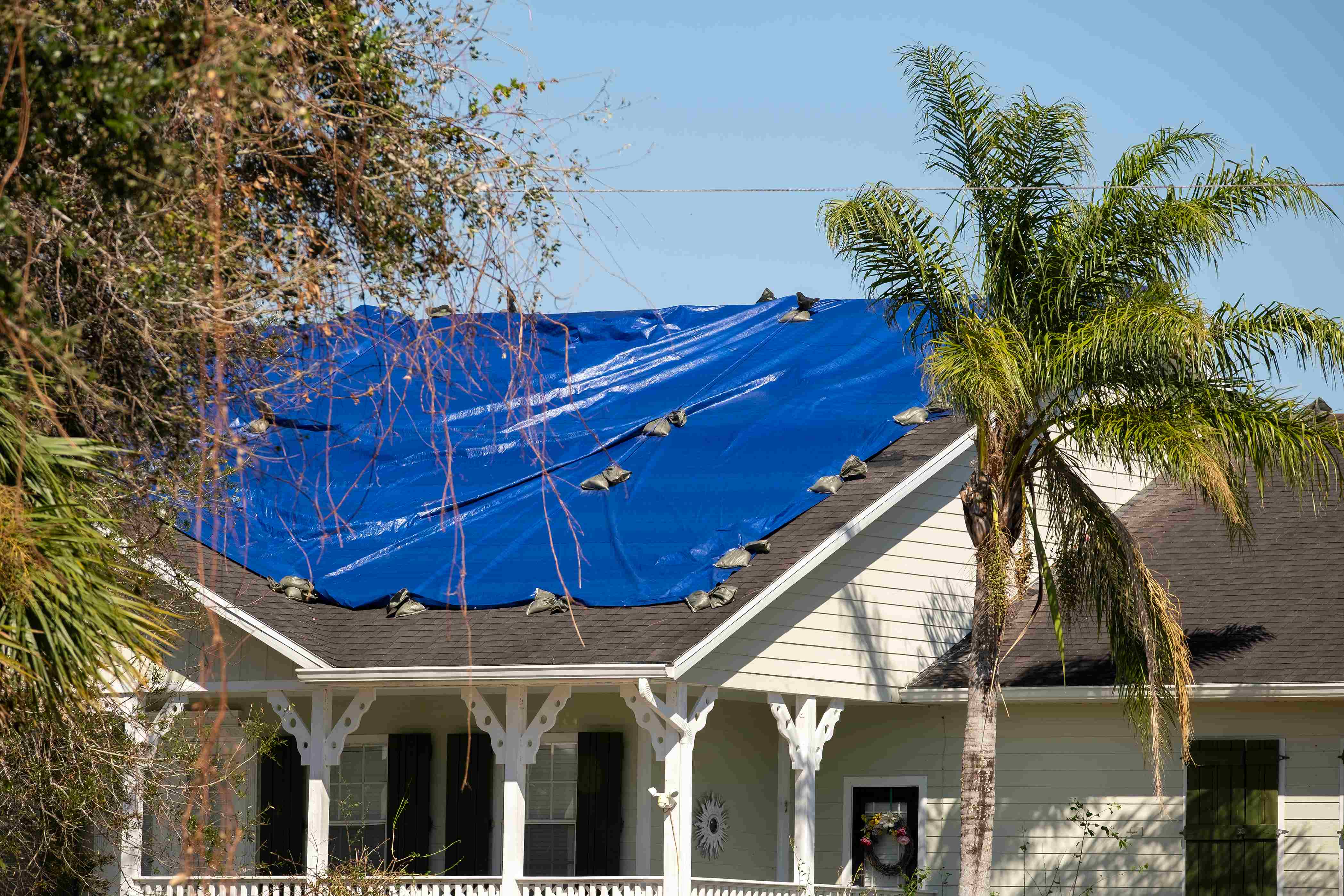
Yes. Many Jacksonville roofing contractors, including Morgan Conley Roofing and Repair, LLC, offer emergency storm response services to address immediate leaks, emergency tarping, and damage control after a hurricane.
How do I know if my roof can withstand a hurricane?
Schedule a professional hurricane roof preparation inspection. A licensed contractor will assess your roof's wind resistance rating, flashing integrity, shingle condition, and overall readiness for storm season.
What is a hurricane strap and does my Jacksonville home need one?
Hurricane straps — also called roof-to-wall connectors — reinforce the connection between your roof structure and the walls of your home. Older Jacksonville homes may not have them, and adding them significantly reduces the risk of roof uplift during high winds.