What to Do After Hurricane Roof Damage in Jacksonville, FL
The Storm Has Passed — Now What?
The winds have died down, the rain has stopped, and you're stepping outside to assess the damage. If your roof took a hit, the next 24–72 hours are the most critical window you have. Acting fast after hurricane roof damage in Jacksonville, FL protects your home, your family, and your insurance claim.
At Morgan Conley Roofing and Repair, LLC, located at 2345 Rogero Road, Jacksonville, FL, we've helped countless Duval County homeowners recover after major storms. This guide walks you through every step — from the moment the storm clears to getting your roof fully restored. 🌀
Why Jacksonville Homes Are Especially Hurricane-Vulnerable
Jacksonville isn't just a coastal city — it's a target. Northeast Florida regularly takes direct hits and near-miss impacts from Atlantic hurricanes, and the damage adds up fast.
Contributing factors include:
Storm surge and wind-driven rain penetrate even small roof vulnerabilities
Aging housing stock in neighborhoods like Ortega, Arlington, and Mandarin have roofs less equipped for modern storm loads
Tall trees throughout Duval County become projectiles in high winds
Flat or low-slope roofs on older homes drain poorly under heavy rainfall volume
Understanding the risk makes the recovery steps that much more important to follow correctly after hurricane roof damage in Jacksonville, FL.
Step 1: Wait Until It's Fully Safe to Inspect
Before you go outside — confirm the storm has completely passed.
Check local emergency alerts via the City of Jacksonville's official channels
Do not go on or near the roof while winds are still present
Watch for downed power lines near your home before stepping outside
If flooding is present, stay indoors until water recedes
Safety first, always. No property damage is worth a life-threatening injury. Once conditions are confirmed safe, begin your exterior walkthrough from the ground. 🔍
Step 2: Do a Ground-Level Damage Assessment
Walk the perimeter of your home and document everything you can see without climbing.
Look for:
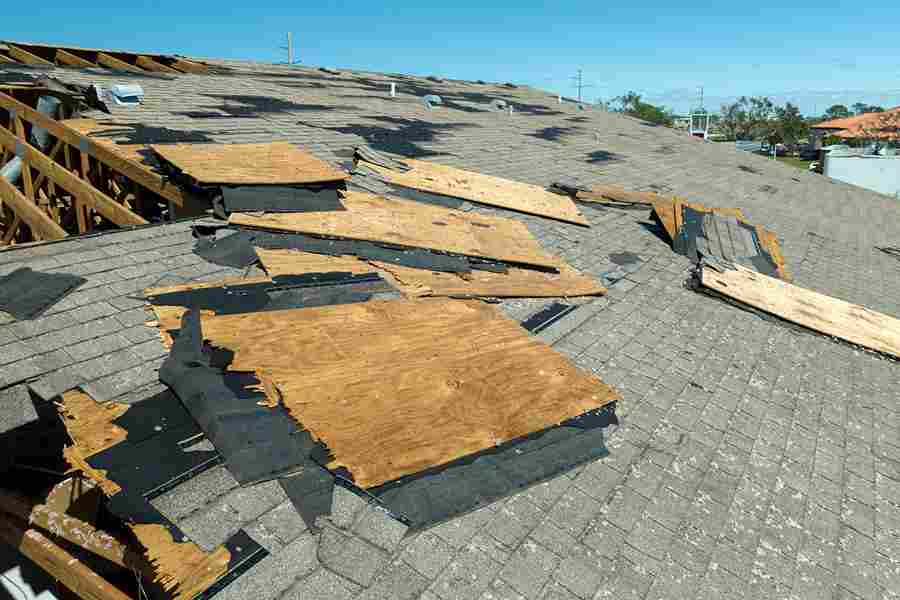
🌀 Missing, lifted, or curled shingles
🌀 Visible holes or punctures from debris impact
🌀 Damaged or detached gutters and downspouts
🌀 Fallen tree limbs on or near the roof
🌀 Exposed decking or underlayment
🌀 Cracked or displaced ridge cap
Then move inside and check:
Water stains on ceilings or walls
Wet insulation or daylight visible in the attic
Dripping or active leaks
Document everything with photos and video — timestamped if possible. This is the foundation of your hurricane roof damage Jacksonville FL insurance claim.
Step 3: Apply Temporary Protection Immediately
If there are active leaks or exposed areas, temporary measures can prevent thousands in interior damage while you wait for professional repairs.
Safe temporary fixes:
Place heavy-duty tarps over exposed roof areas (from the ground or attic side)
Use buckets and towels to contain interior drips
Apply waterproof sealant to small cracks accessible from the attic
Move furniture, electronics, and valuables out of affected rooms
Keep all receipts for emergency materials purchased — most Florida homeowner's insurance policies reimburse reasonable emergency mitigation costs as part of your claim. 💡
Step 4: Call a Licensed Jacksonville Roofing Contractor First
Before you contact your insurer, get a professional assessment from a licensed local roofer. Here's why this order matters:
Morgan Conley Roofing and Repair, LLC provides post-hurricane inspections across Jacksonville and Duval County — and we'll be there when the adjuster shows up. 🔧
Step 5: File Your Hurricane Roof Damage Insurance Claim
With documentation and a contractor's report in hand, contact your insurance provider.
When you call, have ready:
Your policy number
Date and storm name (if a named hurricane)
Photo and video documentation
Your contractor's written damage assessment
Receipts for any emergency repairs already completed
File promptly. Florida law gives homeowners time to file, but delays can raise red flags with insurers. The sooner you report hurricane roof damage in Jacksonville, FL, the smoother the process. ⚡
Step 6: Know Your Florida Hurricane Insurance Rights
Florida homeowners have specific protections under state law when it comes to hurricane damage claims:
You have the right to request a re-inspection if you disagree with the adjuster's findings
You can hire a licensed public adjuster to negotiate on your behalf
Florida's Homeowner Claims Bill of Rights requires insurers to acknowledge claims within 14 days
Assignment of Benefits (AOB) agreements — where you sign over claim rights to a contractor — are heavily regulated and should be approached with caution
Know your rights before signing anything. A reputable contractor handling hurricane roof damage in Jacksonville, FL will never pressure you into an AOB agreement. 📄
Step 7: Prioritize Permanent Repairs Before the Next Storm Season
Temporary fixes are just that — temporary. Once your claim is approved and funding is in place, move quickly to complete permanent repairs before the next storm season arrives.
Prioritize in this order:
Full roof replacement or section repair based on damage scope
Decking repair or replacement if underlayment or plywood was compromised
Flashing resealing around chimneys, vents, and skylights
Gutter system restoration to ensure proper drainage
Interior water damage remediation — mold prevention is time-sensitive
Delaying permanent repairs after hurricane roof damage in Jacksonville, FL is one of the costliest mistakes homeowners make. Mold can set in within 24–48 hours. Don't wait.
How Much Does Hurricane Roof Repair Cost in Jacksonville?
Costs vary widely based on damage severity:
Insurance coverage significantly reduces out-of-pocket costs for storm-related damage — another reason filing quickly and correctly matters so much.
✅ Conclusion: Move Fast, Document Everything, Hire Local
Hurricane roof damage in Jacksonville, FL is serious — but it's manageable when you follow the right steps. Stay safe, document thoroughly, call a licensed local contractor before the adjuster, and know your rights as a Florida homeowner.
Morgan Conley Roofing and Repair, LLC is your local recovery partner in Jacksonville, FL. Visit us at morganconleyroofing.org or come by our office at 2345 Rogero Road, Jacksonville, FL 32211 to schedule your post-hurricane roof inspection. We're ready when the storm is over. 🏠💪
❓ FAQs — Hurricane Roof Damage Jacksonville FL
How soon should I file an insurance claim after hurricane roof damage in Jacksonville?
File as soon as possible — ideally within 24–72 hours of the storm passing. Prompt filing strengthens your claim and avoids delays in the approval process.
Can I stay in my home after hurricane roof damage?
It depends on severity. If there are active leaks near electrical systems, structural compromise, or major interior flooding, evacuate until a professional clears the property as safe.
What if my insurance adjuster undervalues my hurricane roof damage claim?
You have the right to dispute the assessment. Request a re-inspection, provide your contractor's estimate as a counter, or hire a licensed public adjuster to negotiate a fair settlement.
Does homeowner's insurance cover full roof replacement after a hurricane in Florida?
If the damage is widespread and storm-related, yes — especially with an RCV policy. An ACV policy will factor in depreciation. Knowing your policy type before a storm hits is critical.
Does Morgan Conley Roofing handle post-hurricane repairs in Jacksonville, FL?
Absolutely. Morgan Conley Roofing and Repair, LLC responds to hurricane damage across Jacksonville and Duval County. Visit morganconleyroofing.org to request emergency service.
🔍 People Also Ask
How do I know if my roof has hurricane damage in Jacksonville?
Look for missing or lifted shingles, exposed decking, damaged gutters, debris impact marks, and interior water stains or attic leaks after the storm passes.
What is covered under Florida hurricane insurance for roof damage?
Wind and storm-related damage is typically covered. Wear and tear, pre-existing damage, and neglect are excluded. Review your policy for hurricane-specific deductibles before filing.
How long does hurricane roof repair take in Jacksonville, FL?
Emergency temporary repairs can be completed within hours. Full replacement or major repairs typically take 2–5 days depending on damage scope, material availability, and permit timelines.
Should I use a local or national roofing company after a hurricane in Jacksonville?
Always choose local. Local contractors know Jacksonville's building codes, weather patterns, and insurance landscape — and they have a reputation to protect in your community.
What's the difference between a hurricane deductible and a standard deductible in Florida?
A hurricane deductible is typically a percentage of your home's insured value — often 2–5% — rather than a flat dollar amount. It applies specifically to named storm damage and is usually higher than your standard deductible.