Residential Roof Lifespan Guide: What Determines Your 25-50 Year Range?
When investing in your home, understanding how long does a residential roof last is critical for planning, budgeting, and protecting your property's value. At Morgan Conley Roofing and Repair, LLC, serving Jacksonville, FL, we help homeowners navigate the complex factors that determine whether their roof will last 25 years or stretch beyond 50. The truth? Your roof's lifespan isn't just about the materials you choose—it's about climate, installation quality, maintenance habits, and even the angle of your roofline.
Most residential roofs last between 15 to 50 years, but that range is enormous. 🏠 A poorly maintained asphalt shingle roof in Jacksonville's humid climate might fail at 18 years, while a professionally installed metal roof with regular inspections could protect your home for half a century. This guide breaks down exactly what determines where your roof falls in that spectrum—and how to maximize every year of protection.
What Influences How Long a Residential Roof Lasts?
The lifespan of a residential roof depends on multiple interconnected factors. Material type is the foundation, but execution and environment matter just as much.
Primary Factors:
Material durability: Metal and slate outlast asphalt by decades
Installation quality: Poor workmanship voids even premium materials
Climate exposure: Jacksonville's heat, humidity, and storms accelerate wear
Roof pitch: Steeper slopes shed water faster, reducing damage
Ventilation systems: Proper airflow prevents moisture buildup and rot
Think of your roof as a system, not just shingles. A high-quality material installed incorrectly will underperform a mid-grade option done right. Similarly, neglecting maintenance—even on expensive materials—cuts lifespan dramatically. Understanding these variables helps you make informed decisions about upgrades, repairs, and replacement timing. ⚙️
Average Lifespan by Roofing Material
Different materials answer "how long does a residential roof last" in vastly different ways. Here's what Jacksonville homeowners can realistically expect:

Asphalt shingles dominate the market due to affordability, but they require replacement 2-3 times over the period a metal roof serves. Clay tiles thrive in Jacksonville's climate if properly supported structurally. Metal roofing offers the sweet spot—triple the lifespan of asphalt at roughly double the upfront cost, translating to significant ROI over time. 💰
Why Material Alone Isn't Enough: Even slate can fail prematurely if the deck beneath deteriorates or flashing corrodes. Always consider the complete roofing system, including underlayment, ventilation, and edge protection.
How Jacksonville's Climate Affects Roof Longevity
Jacksonville's subtropical climate is beautiful—but brutal on roofs. Understanding local weather patterns is essential when asking how long a residential roof lasts in North Florida.
Climate Challenges:
Intense UV exposure: Year-round sun degrades asphalt granules and causes thermal expansion
High humidity: Promotes algae, mold, and accelerated wood rot
Hurricane season: Wind-driven rain tests flashing, fasteners, and material integrity
Temperature swings: Daily heating/cooling cycles stress sealants and joints
Asphalt shingles that might last 25 years in cooler climates often tap out at 18-22 years in Jacksonville. The constant heat bakes oils out of shingles, making them brittle. Afternoon thunderstorms drive moisture into vulnerable spots, while humidity feeds organic growth that retains dampness. 🌧️
Material Performance in Jacksonville: Metal roofing excels here—it reflects heat, sheds water instantly, and resists algae. Tile roofs also perform well if properly ventilated. Whatever material you choose, factor in Jacksonville-specific wear when budgeting for replacement timelines.
The Role of Installation Quality
Even the best materials fail when improperly installed. Installation quality directly determines whether your roof reaches its expected lifespan or disappoints early.
Critical Installation Elements:
Deck preparation: Damaged or warped decking compromises everything above it
Underlayment: High-quality synthetic underlayment adds years of water protection
Flashing details: Around chimneys, valleys, and vents—where most leaks originate
Fastener placement: Over-driven or under-driven nails create failure points
Ventilation balance: Intake and exhaust must work together for airflow
A rushed installation might save $2,000 upfront but cost you $15,000 in premature replacement. Professional contractors like Morgan Conley Roofing and Repair, LLC understand Jacksonville-specific requirements—enhanced wind ratings, moisture barriers, and heat-reflective options that DIY or budget installers often skip. ✅
Red Flags in Installation: Misaligned shingles, exposed nail heads, missing drip edge, or inadequate starter strips all signal problems. If you're buying a home, always have the roof professionally inspected—even if it looks new.
Maintenance: The Lifespan Multiplier
Regular maintenance is the difference between a roof lasting 20 years versus 35. Neglect accelerates every form of deterioration—from granule loss to structural decay.
Essential Maintenance Schedule:
Annual inspections: Catch small issues before they become expensive repairs
Gutter cleaning: Prevents water backup and edge rot (critical in Jacksonville)
Debris removal: Pine needles and leaves trap moisture and feed algae
Flashing checks: Reseal or replace worn caulking around penetrations
Ventilation assessment: Ensure attic temps stay within 10-15°F of outside air
Homeowners who invest in biannual professional inspections extend roof life by 25-40% on average. That's 5-10 extra years for a few hundred dollars in maintenance. The ROI is undeniable. 🔧
DIY vs. Professional: You can handle gutter cleaning and surface debris, but leave structural assessments to experts. Walking on roofs improperly can damage shingles, and spotting subtle issues (like early granule loss or hairline cracks) requires trained eyes.
Warning Signs Your Roof Is Failing
Knowing when your roof approaches the end of its lifespan helps you plan proactively rather than react to emergencies. Watch for these indicators:
Visual Red Flags:
Curling, cupping, or missing shingles
Dark streaks (algae) or moss growth
Granules accumulating in gutters
Sagging areas or visible dips in roofline
Daylight visible through roof boards
Interior Symptoms:
Water stains on ceilings or walls
Unexplained humidity or musty odors in attic
Higher cooling bills (poor insulation/ventilation)
Cracked or peeling interior paint near roof edges
Jacksonville's humidity makes interior signs particularly important—moisture problems often develop invisibly until significant damage occurs. If your roof is approaching 20 years with asphalt shingles, or showing 2+ warning signs, schedule a professional evaluation. ⚠️
When to Repair vs. Replace: Isolated damage (a few shingles, minor flashing issues) justifies repair. Widespread problems, especially with roofs past 75% of expected lifespan, make replacement the smarter investment.
How Roof Pitch and Design Impact Longevity
Architectural details significantly influence how long a residential roof lasts—often in ways homeowners don't consider during design.
Pitch Matters:
Steep slopes (8/12 or higher): Water and debris shed quickly, reducing moisture exposure
Low slopes (4/12 or less): Water pools longer, increasing leak risk and material stress
Flat roofs: Require different materials (TPO, EPDM) and meticulous maintenance
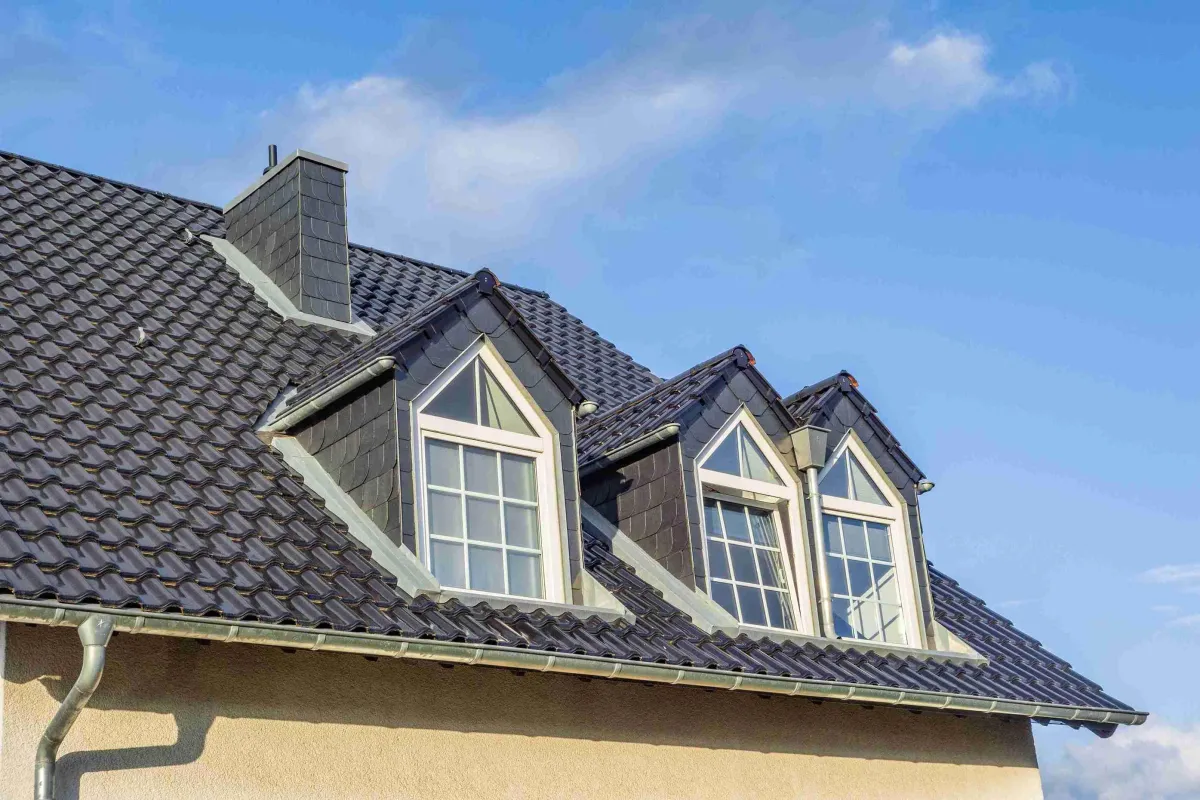
Steeper roofs in Jacksonville often last 20-30% longer than low-slope designs with identical materials. The faster water evacuates, the less time it has to exploit vulnerabilities. Complex rooflines with multiple valleys, dormers, or skylights create additional penetration points where failures develop—but proper flashing and maintenance mitigate these risks. 🏡
Design Considerations: Open overhangs with good soffit ventilation dramatically improve attic climate control. Hip roofs generally outperform gable designs in hurricane-prone areas due to superior wind resistance. When building or remodeling, prioritize designs that work with Jacksonville's weather rather than against it.
The Economics of Roof Lifespan
Understanding the financial implications helps you make strategic decisions about materials, maintenance, and timing.
Total Cost of Ownership (30-Year Comparison):

Metal roofing costs more upfront but often proves cheaper over three decades—while delivering superior performance. Factor in energy savings (20-30% cooling cost reduction) and increased home value, and premium materials become compelling. 💵
Insurance and Warranty Considerations: Many insurers offer discounts for impact-resistant or Class 4-rated materials. Metal and tile roofs can qualify for 10-20% premium reductions in Jacksonville. Extended warranties add peace of mind but read the fine print—most exclude damage from poor maintenance or installation errors.
Maximizing Your Roof's Lifespan in Jacksonville
Proactive strategies ensure your roof reaches—or exceeds—its expected lifespan, protecting your investment and avoiding emergency expenses.
Actionable Tips:
Schedule professional inspections after major storms and annually
Trim overhanging branches to reduce debris and prevent damage during hurricanes
Install zinc or copper strips at the ridge to prevent algae growth
Upgrade attic ventilation if temperatures exceed 130°F in summer
Address repairs immediately—small leaks become structural problems quickly in humid climates
Choose light-colored or reflective materials to reduce heat absorption
Document maintenance for warranty claims and future buyers
Jacksonville homeowners benefit enormously from preventive care. Our subtropical climate means minor issues escalate faster than in drier regions. The $300-500 you spend on annual maintenance prevents $5,000-15,000 repair bills. 🛡️
Partner with Local Experts: Working with contractors who understand Jacksonville's specific challenges—from hurricane preparedness to moisture management—ensures your roof receives appropriate care throughout its lifespan.
Conclusion
So, how long does a residential roof last? In Jacksonville, the answer ranges from 15 years for basic asphalt shingles with minimal maintenance to 50+ years for premium materials with professional installation and regular care. Material choice, climate exposure, installation quality, and maintenance habits all play crucial roles in determining where your roof falls within that spectrum.
The key takeaway: your roof's lifespan isn't predetermined—it's influenced by decisions you make at installation and throughout ownership. Investing in quality materials, professional installation, and consistent maintenance dramatically extends protection while improving energy efficiency, home value, and peace of mind. Understanding these factors empowers you to maximize ROI and avoid costly surprises.
Ready to ensure your Jacksonville roof reaches its full potential? Contact Morgan Conley Roofing and Repair, LLC at 2345 Rogero RD, Jacksonville, FL 32211, or call (904) 490-8390. Visit morganconleyroofing.org to schedule your comprehensive roof assessment today and protect your home for decades to come.
Frequently Asked Questions
How long does an asphalt shingle roof last in Florida?
Asphalt shingle roofs typically last 15-22 years in Florida due to intense UV exposure, high humidity, and frequent storms. Architectural shingles may reach 25-30 years with excellent maintenance, while basic 3-tab shingles often fail earlier in Jacksonville's climate.
What roofing material lasts the longest in Jacksonville?
Metal roofing offers the best longevity in Jacksonville, lasting 40-70 years with proper installation. Clay and concrete tiles can exceed 50 years, while slate roofs may last a century. These materials resist humidity, reflect heat, and withstand hurricane-force winds better than asphalt.
Can regular maintenance extend my roof's lifespan?
Yes, significantly. Consistent maintenance—including annual inspections, gutter cleaning, debris removal, and prompt repairs—can extend roof life by 25-40%. That translates to 5-10 additional years for most materials, making maintenance one of the highest-ROI home investments.
How do I know when my roof needs replacement versus repair?
Replace when your roof shows widespread damage, approaches 75% of its expected lifespan, or requires frequent repairs. Repair isolated issues like a few missing shingles or minor flashing problems. If repair costs exceed 30% of replacement costs, replacement is typically smarter.
Does roof color affect how long it lasts?
Yes, especially in Jacksonville. Light-colored or reflective roofing materials can be 50-60°F cooler than dark options, reducing thermal stress and extending lifespan by 10-20%. Cooler roofs also lower energy bills by reducing heat transfer into your home.
People Also Ask
What is the average life expectancy of a roof?
The average residential roof lasts 20-25 years, but this varies dramatically by material. Asphalt shingles average 20-30 years, metal roofs 40-70 years, and tile or slate roofs can exceed 50-100 years. Climate, maintenance, and installation quality significantly impact actual lifespan.
How often should you replace your roof?
Most homeowners replace roofs every 20-30 years, but the timeline depends on material type and condition. Inspect annually after year 15 with asphalt shingles, or after major storms. Metal and tile roofs may go 40-50 years before requiring replacement if properly maintained.
What shortens a roof's lifespan the most?
Poor installation is the #1 lifespan reducer, followed by inadequate ventilation, deferred maintenance, and severe weather exposure. In Jacksonville, humidity and UV damage accelerate wear significantly. Neglecting small repairs allows water intrusion that causes exponential damage over time.
Is a 20-year-old roof too old?
A 20-year-old asphalt roof in Jacksonville is approaching end-of-life and should be inspected thoroughly. Metal, tile, or slate roofs at 20 years typically have decades of life remaining. Age alone doesn't determine replacement need—condition, material type, and maintenance history are equally important.
How much does it cost to replace a roof in Jacksonville?
Jacksonville roof replacement costs $5,000-$15,000 for asphalt shingles on average homes (1,500-2,000 sq ft), $15,000-$30,000 for metal roofing, and $20,000-$40,000 for tile. Costs vary by material, roof complexity, and contractor. Premium materials deliver better long-term value despite higher upfront costs.