How to Spot Hidden Storm Damage on Your Roof
The Storm Passed — But Is Your Roof Really Okay? 🌀
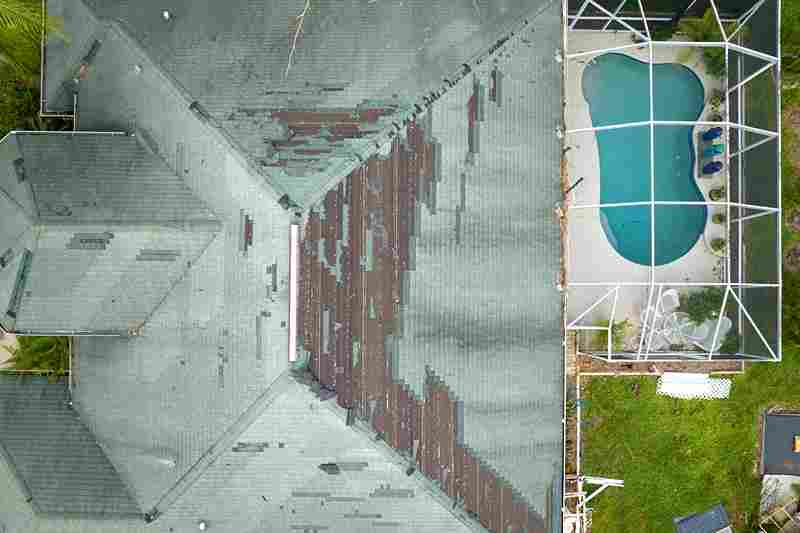
After a hurricane or tropical storm moves through Jacksonville, most homeowners do a quick visual check, see no missing shingles or obvious holes, and assume their roof made it through fine. That assumption costs Jacksonville homeowners thousands of dollars every year. Hidden storm damage roof signs are real, they're common, and they rarely announce themselves until the next heavy rain turns a minor issue into a major interior disaster. At Morgan Conley Roofing and Repair, LLC, we inspect roofs throughout Jacksonville, FL after every significant storm event — and what we find beneath the surface consistently surprises homeowners. Here's what to look for.
Why Hidden Storm Damage Is So Common in Jacksonville
Jacksonville's storm profile makes hidden roof damage especially prevalent. Here's why so much damage goes undetected:
🌧️ Wind-driven rain penetrates at angles that normal rainfall never reaches — forcing water through micro-gaps in flashing, shingles, and seals that appear intact from the ground
🌀 Rapid pressure changes during hurricanes create uplift forces that partially lift shingles and decking without fully dislodging them — leaving them visually intact but structurally compromised
🍃 Debris impact from branches, gravel, and airborne objects creates micro-fractures in shingles that aren't visible to the naked eye at ground level
☀️ Jacksonville's post-storm UV exposure accelerates damage at compromised points — what starts as a hairline crack becomes a full failure within months
📋 Insurance claim windows are time-sensitive — hidden damage found months later is harder to attribute to a specific storm event, complicating your claim
The bottom line: what you can see from your driveway after a storm is a fraction of what may actually be wrong.
The Most Common Hidden Storm Damage Roof Signs
1. Granule Loss You Can't See From the Ground
Asphalt shingles are coated with granules that protect the underlying asphalt from UV degradation. High winds and hail knock granules loose — often in large quantities — without visibly displacing the shingle itself.
Where to look:
Check your gutters and downspout discharge areas after a storm — excessive granule accumulation is a direct indicator of shingle surface damage
Look for dark, bare patches on shingles when viewed from a ladder — exposed asphalt appears noticeably darker than granule-covered areas
Check the base of downspouts for granule deposits collecting on the ground
Why it matters: Granule loss accelerates UV degradation dramatically. A shingle that loses 30% of its granule coverage may fail years ahead of its expected lifespan — and it will look fine from the street the entire time.
2. Lifted or Unsealed Shingle Edges
High winds — even below hurricane strength — can break the factory sealant strip that bonds shingle edges to the course below. The shingle falls back into place after the wind passes, looking perfectly normal from the ground.
What to look for:
Shingles that are slightly raised or uneven along their bottom edge when viewed from a low angle
Visible gaps between shingle courses where sealant has separated
Shingles that flex or lift slightly when light pressure is applied — a sign the bond is broken
Why it matters: Unsealed shingles are the #1 entry point for wind-driven rain during the next storm. Water infiltrates beneath the lifted edge, saturates the decking, and the damage compounds with every subsequent rainfall — often for months before an interior leak becomes visible.
3. Damaged or Displaced Flashing
Flashing — the metal strips that seal transitions around chimneys, vents, skylights, and roof valleys — is one of the most storm-vulnerable components on any roof. It's also one of the most commonly overlooked during post-storm assessments.
Hidden flashing damage signs:
Flashing that has pulled away from the chimney or wall base even slightly
Caulk or sealant that has cracked, separated, or been blown away from flashing edges
Bent, crimped, or buckled flashing sections from debris impact
Rust streaks on flashing indicating moisture has been infiltrating at the junction
Why it matters: Even a 1/8-inch gap in flashing allows significant water intrusion during Jacksonville's heavy rainfalls. Flashing failures are responsible for a disproportionate share of interior water damage claims — and they're almost never visible from ground level.
4. Attic Evidence You're Not Checking
One of the most reliable places to find hidden storm damage roof signs isn't on the roof at all — it's in your attic. Most Jacksonville homeowners never think to look there after a storm.
What to inspect in your attic after a storm:
Water stains or wet spots on rafters, sheathing, or insulation — even small ones
Daylight visible through the roof deck — any light penetration means water can follow
Fresh mold or mildew growth that wasn't present before the storm
Damp or compressed insulation — insulation that has absorbed moisture loses its R-value and promotes mold growth
New debris — small branches or dirt that found their way through compromised areas
Why it matters: Attic moisture damage from a single storm event can escalate into significant mold contamination within 48 to 72 hours in Jacksonville's heat and humidity. Catching it immediately after a storm is far less expensive than remediating it weeks later.
5. Soft Spots and Spongy Decking
Roof decking — the structural sheathing beneath your shingles — can absorb moisture from storm infiltration and begin to deteriorate without any visible exterior sign. Walking on a compromised section or pressing on the roof surface (safely, from a ladder) can reveal soft or spongy areas that indicate decking damage.
Signs of compromised decking:
Visible sagging or waviness in the roof surface when viewed from an angle
Spongy or soft feeling underfoot during a roof inspection
Visible delamination or separation of OSB layers in the attic
Darkened or stained sheathing visible from the attic interior
Why it matters: Soft decking is a structural issue, not just a cosmetic one. Left unaddressed, compromised decking sections spread — and the cost of replacing a few sheets of sheathing early is a fraction of the structural repair bill that follows extended moisture exposure.
6. Gutter and Fascia Damage
Gutters and fascia take direct hits during storms — from wind, debris, and water volume — and their damage is frequently dismissed as cosmetic. It's not.
Hidden damage indicators:
Gutters pulling away from the fascia board — even slightly — allow water to run behind the gutter and saturate the fascia and soffit
Dented or bent gutters that no longer drain at the correct pitch — standing water in gutters creates constant moisture exposure at the roof edge
Cracked or soft fascia boards indicating moisture penetration behind the gutter system
Downspouts disconnected or clogged with storm debris — backing up water against the roof edge
Why it matters: Fascia rot from gutter damage spreads into the soffit and eventually the roof decking — a chain of damage that starts with what looks like a bent gutter and ends with significant structural repair.
7. Chimney and Vent Cap Damage
Chimney crowns, vent caps, and pipe boot flashings are frequently damaged or displaced during high-wind events — and they're almost never visible from the ground.
What storm damage looks like here:
Cracked or separated chimney crown mortar — allows water to run directly down the chimney shaft and into the attic
Dislodged or missing vent caps — open penetrations that allow both water and pests into your roof system
Pipe boot flashings that have lifted, cracked, or separated from the pipe they're sealing
Why it matters: Every unsealed penetration on your roof is a direct water entry point. Chimney and vent damage is responsible for a significant share of post-storm interior leaks that homeowners incorrectly attribute to shingle damage — because the shingles look fine.
Hidden Storm Damage Roof Signs: Quick Reference Checklist ✅
When to Call a Professional After a Jacksonville Storm
Some post-storm checks you can do safely from the ground or a ladder. But a professional inspection is the only way to reliably identify hidden storm damage roof signs — particularly damage to decking, flashing, and attic systems.
Call a licensed Jacksonville roofing contractor after any storm that produced:
Sustained winds above 45 mph or significant gusts
Hail of any measurable size
Heavy, prolonged rainfall over several hours
Visible damage to neighboring properties or trees near your home
Any interior signs — ceiling stains, drips, or musty attic odors
Don't wait for an interior leak to confirm exterior damage. By the time water reaches your ceiling, it has typically been saturating your decking, insulation, and framing for weeks.
Document Everything for Your Insurance Claim 📋
If you do find storm damage — hidden or visible — documentation is everything for your Florida homeowner's insurance claim:
Photograph all damage from multiple angles before any repairs begin
Note the date of the storm and when damage was discovered
Save any receipts for emergency tarping or temporary repairs
Request a written damage report from your roofing contractor
File your claim promptly — Florida policies have specific timeframes for storm damage reporting
A licensed contractor's written assessment carries significant weight with insurance adjusters and supports a fair claim outcome.
Don't Let Hidden Damage Become a Major Problem 🏡
Hidden storm damage roof signs don't fix themselves — they compound. What a professional catches in the first week after a storm for a few hundred dollars in targeted repairs can easily grow into a $10,000 decking and structural project if left unaddressed through Jacksonville's next rain season. The cost of a post-storm inspection is always less than the cost of the damage it prevents.
Contact Morgan Conley Roofing and Repair, LLC, located at 2345 Rogero Road, Jacksonville, FL 32211, or visit morganconleyroofing.org to schedule your post-storm roof inspection today. Serving Jacksonville, FL homeowners with thorough damage assessments, honest findings, and reliable repairs — before small problems become expensive ones.
Frequently Asked Questions
How do I know if my roof has hidden storm damage in Jacksonville?
The most reliable way is a professional post-storm roof inspection. From the ground, check gutters for granule accumulation and look for any sagging or uneven shingle surfaces. Inside, check your attic for water stains, wet insulation, or visible daylight through the decking — these are the most accessible indicators of hidden storm damage.
How long after a storm should I get my roof inspected in Jacksonville?
As soon as safely possible — ideally within 72 hours of the storm passing. Jacksonville's heat and humidity accelerate mold growth and moisture damage rapidly. Early inspection also strengthens your insurance claim by documenting damage close in time to the storm event.
Can hidden roof damage cause mold in my Jacksonville home?
Yes — and quickly. Jacksonville's combination of heat and humidity means that moisture infiltrating your attic or roof deck from storm damage can produce visible mold growth within 48 to 72 hours. This is one of the most important reasons not to delay a post-storm inspection.
Will my homeowner's insurance cover hidden storm damage in Florida?
Most Florida homeowner's insurance policies cover storm-related roof damage, including hidden damage identified by a licensed contractor. Prompt documentation and filing are critical — delayed claims are harder to attribute to a specific storm event and may face additional scrutiny from adjusters.
What's the difference between storm damage and normal roof wear in Jacksonville?
Storm damage typically appears suddenly after a weather event — lifted shingles, new granule loss, fresh water stains, or displaced flashing. Normal wear develops gradually over years — consistent granule loss, slow UV fading, and aging sealants. A professional inspector can distinguish between the two, which matters significantly for insurance purposes.
People Also Ask
What does hail damage look like on a roof in Jacksonville?
Hail damage on asphalt shingles appears as dark, circular impact marks where granules have been knocked away — often called bruising. On metal surfaces, hail leaves visible dents. From the ground, hail damage is almost impossible to identify reliably — it requires close inspection at roof level to distinguish from normal wear.
Can wind damage a roof without removing shingles?
Absolutely — and this is one of the most common forms of hidden storm damage in Jacksonville. Wind breaks the sealant bond between shingles without displacing them, lifts flashing without removing it, and creates micro-fractures in shingles that leave them looking intact but performing poorly. A visual check from the ground rarely catches this type of damage.
How do I document roof damage for an insurance claim in Jacksonville, FL?
Photograph all visible damage from multiple angles immediately after the storm. Note the storm date, wind speeds if reported, and when you discovered each issue. Get a written damage assessment from a licensed Florida roofing contractor — this carries the most weight with insurance adjusters and supports your claim more effectively than photos alone.
Why does my ceiling show water stains weeks after a storm?
Water infiltrating through hidden storm damage often travels horizontally along rafters, insulation, and sheathing before finding a low point to drip through your ceiling. By the time a stain appears, the moisture has typically been present for days or weeks — which is why post-storm attic inspections matter far more than waiting for interior signs to appear.
Is it safe to inspect my own roof after a storm in Jacksonville?
Ground-level and gutter checks are safe for most homeowners. Climbing onto your roof after a storm is not recommended — surfaces may be slippery, structurally compromised, or unstable from wind and water damage. A licensed roofing contractor has the safety equipment and training to inspect safely and thoroughly.