Flat Roof vs Pitched Roof: Pros & Cons for Jacksonville Properties
Which Roof Type Is Right for Your Jacksonville Home? 🏠
Choosing between a flat roof and a pitched roof is one of the biggest decisions a property owner can make — and in Jacksonville, FL, the local climate, building codes, and property type all play a major role in that decision. Whether you're building new, replacing an aging roof, or evaluating a property purchase, understanding flat roof vs pitched roof Jacksonville options will save you time, money, and headaches down the road. At Morgan Conley Roofing and Repair, LLC, we help Jacksonville homeowners and commercial property owners make the right call every time. Here's the full breakdown.
Understanding the Basics: What's the Difference?
Before diving into pros and cons, it helps to know exactly what separates these two roof types.
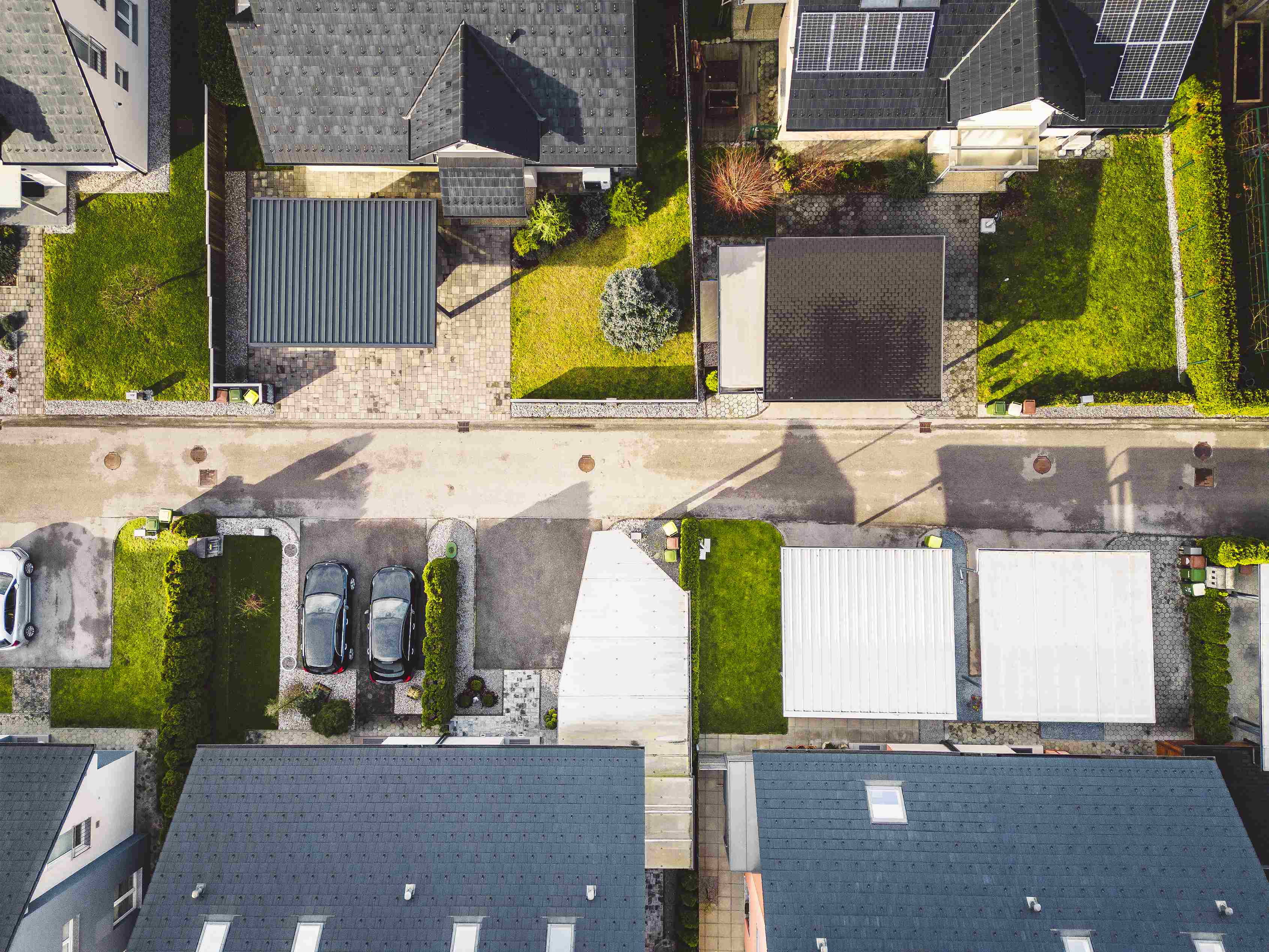
Flat Roofs aren't completely flat — they have a slight slope (usually ¼ inch per foot) to allow minimal drainage. They're most common on commercial buildings, modern-style homes, and additions like garages or sunrooms.
Pitched Roofs have a steeper slope and are the standard for most residential homes in Jacksonville. They come in various styles — gable, hip, gambrel — and shed water and debris quickly due to their angle.
Both have a legitimate place in Jacksonville's property landscape. The question is which one fits your specific situation.
Flat Roof vs Pitched Roof Jacksonville: Climate Considerations ☀️🌧️
Jacksonville's weather is a critical factor in this decision. Here's how each roof type handles local conditions:
Heavy Rainfall: Jacksonville averages over 52 inches of rain per year. Pitched roofs shed water faster and are generally less vulnerable to pooling. Flat roofs require proper drainage systems — without them, standing water becomes a serious problem.
Heat and UV Exposure: Both roof types face intense Florida sun. Flat roofs with reflective coatings (like TPO or cool roof membranes) can actually outperform pitched roofs on energy efficiency. Pitched roofs benefit from attic ventilation that reduces heat transfer into living spaces.
Hurricane Winds: This is where pitched roofs — specifically hip roofs — have a notable advantage. Their aerodynamic shape reduces wind uplift. Flat roofs with properly sealed membranes can perform adequately, but require more diligent maintenance to stay watertight under storm pressure.
Humidity and Algae: Jacksonville's humidity promotes algae and moss growth on both roof types. Pitched roofs dry faster after rain, giving algae less opportunity to take hold.
Pros and Cons: Flat Roof in Jacksonville
Pros
Lower upfront installation cost — less material and labor than pitched options
Ideal for commercial properties, modern home designs, and rooftop features like HVAC units or solar panels
Easier and safer access for routine maintenance
Energy-efficient membrane options like TPO reflect heat and reduce cooling costs
Maximizes interior ceiling height and usable square footage
Cons
Drainage must be carefully engineered — pooling water is the #1 enemy
Shorter average lifespan (10–20 years) vs. pitched roofs (20–50 years depending on material)
More vulnerable to membrane punctures from storm debris
Higher long-term maintenance costs in Jacksonville's wet climate
Not ideal for most residential neighborhoods aesthetically or per HOA guidelines
Pros and Cons: Pitched Roof in Jacksonville
Pros
Superior water shedding — critical in Jacksonville's high-rainfall environment
Longer lifespan with proper maintenance (asphalt shingles: 20–30 years; metal: 40–70 years)
Better hurricane resistance, especially hip roof designs
More attic space for insulation and ventilation — reduces energy costs
Wide range of materials and styles to match any home aesthetic
Higher resale value and easier insurance eligibility in Florida
Cons
Higher upfront installation cost due to complexity and material volume
Steeper slopes make maintenance and repairs more challenging and potentially costly
Limited rooftop utility (harder to install solar panels or rooftop equipment)
More surface area means more exposure to UV degradation over time
Side-by-Side Comparison Table
Which Is Better for Jacksonville Residential Properties?
For the majority of Jacksonville residential homes, a pitched roof is the stronger long-term choice. Here's why:
Florida's insurance market heavily favors pitched roofs — particularly hip roofs, which qualify for wind mitigation credits that can significantly lower your annual premiums. Many Florida insurers have become increasingly selective about flat roof coverage on residential properties, especially roofs over 10 years old.
Additionally, Jacksonville's hurricane exposure makes the structural advantages of a properly installed pitched roof difficult to ignore. Hip roofs in particular are engineered to distribute wind load evenly, reducing the risk of uplift during tropical storms.
That said, if you're building a modern-style home, a commercial property, or an addition — a flat roof with a high-quality membrane system and proper drainage can absolutely perform well in Jacksonville with the right contractor and maintenance plan.
Which Is Better for Jacksonville Commercial Properties?
Flat roofs dominate the commercial roofing market in Jacksonville — and for good reason. They offer practical advantages for businesses:
Easy rooftop access for HVAC, electrical, and mechanical equipment
Lower installation costs across large square footage
Flexibility for future rooftop additions
Modern TPO and EPDM membranes offer excellent durability and energy savings
For warehouses, retail spaces, office buildings, and multi-family properties, a well-installed flat roof with a quality drainage system is often the smarter investment.
Cost Comparison: Flat Roof vs Pitched Roof Jacksonville 💰
Making the Right Decision for Your Jacksonville Property 🏡
There's no universal answer in the flat roof vs pitched roof Jacksonville debate — but there is a right answer for your specific property. Residential homeowner prioritizing longevity, insurance savings, and storm protection? A pitched roof, likely hip-style, is your best bet. Commercial property owner or modern home builder focused on cost efficiency and rooftop functionality? A quality flat roof system delivers real value.
The most important step is working with a licensed Jacksonville roofing contractor who understands Florida's building codes, insurance requirements, and climate demands inside and out.
Contact Morgan Conley Roofing and Repair, LLC, located at 2345 Rogero Road, Jacksonville, FL 32211, or visit morganconleyroofing.org to discuss your roofing options today. Proudly serving Jacksonville, FL property owners with expert guidance, quality installations, and honest assessments — residential and commercial.
Frequently Asked Questions
How long does a flat roof last in Jacksonville, FL?
Most flat roofs in Jacksonville last between 10 and 20 years depending on the membrane type, installation quality, and maintenance frequency. TPO and EPDM membranes tend to perform best in Florida's heat and humidity.
Is a pitched roof better for hurricanes in Jacksonville?
Generally yes — especially hip-style pitched roofs, which are engineered to resist wind uplift from multiple directions. They also qualify for Florida wind mitigation credits that can lower homeowner's insurance premiums significantly.
Can I convert a flat roof to a pitched roof in Jacksonville?
Yes, it's possible but involves significant structural work and cost. It requires adding a new framing system on top of the existing structure. Many homeowners find it worthwhile for the long-term insurance and durability benefits.
What is the best flat roof material for Jacksonville's climate?
TPO (Thermoplastic Polyolefin) is widely considered the best flat roofing material for Florida's heat, UV exposure, and rain. It's reflective, durable, and weld-sealed at the seams, reducing the risk of leaks.
Does Florida homeowner's insurance treat flat and pitched roofs differently?
Yes, significantly. Florida insurers often charge higher premiums for flat roofs and may limit coverage on older flat roof systems. Pitched roofs — especially hip roofs with documented wind mitigation — typically qualify for lower rates and broader coverage.
People Also Ask
What type of roof is most common in Jacksonville, FL?
Asphalt shingle pitched roofs — particularly gable and hip styles — are the most common in Jacksonville's residential neighborhoods. Hip roofs are increasingly preferred for their hurricane resistance and insurance advantages.
Are flat roofs more expensive to maintain in Florida?
Over the long term, yes. Flat roofs in Florida require more frequent inspections, resealing, and drainage maintenance due to the state's heavy rainfall and UV exposure. The lower upfront cost is often offset by higher lifetime maintenance expenses.
What roof style qualifies for wind mitigation discounts in Florida?
Hip roofs — where all sides slope downward to the walls — qualify for the strongest wind mitigation credits in Florida. These discounts can reduce homeowner's insurance premiums by hundreds of dollars annually.
How does Jacksonville's humidity affect flat roofs?
High humidity accelerates membrane degradation and increases the risk of algae growth and moisture intrusion on flat roofs. Proper ventilation beneath the membrane and annual inspections are essential to extending flat roof lifespan in Jacksonville.
Is a metal roof better than shingles for Jacksonville properties?
For longevity and storm resistance, metal roofing outperforms asphalt shingles significantly — lasting 40 to 70 years versus 20 to 30. The higher upfront cost is typically recovered through lower maintenance expenses, energy savings, and insurance benefits over time.