Emergency Roof Tarping in Jacksonville, FL: What It Costs and How It Works
When Your Roof Fails, Every Hour Counts
A storm rolls through Jacksonville, shingles go flying, and suddenly your attic is open to the sky. What happens in the next few hours determines how much damage your home sustains — and how smoothly your insurance claim goes.
Emergency roof tarping in Jacksonville, FL is the critical first line of defense between a damaged roof and a completely destroyed interior. At Morgan Conley Roofing and Repair, LLC, located at 2345 Rogero Road, Jacksonville, FL, we deploy tarping services across Duval County after every major storm event. This guide covers exactly how it works, what it costs, and why it matters. 🏠⚡
What Is Emergency Roof Tarping?
Roof tarping is a temporary protective measure installed over damaged or compromised roof sections to prevent water intrusion until permanent repairs can be completed.
It is not a permanent fix — but it is an essential one.
Tarping protects against:
Rain entering through missing or damaged shingles
Wind-driven water penetrating exposed underlayment or decking
Further debris impact on already-vulnerable areas
Interior damage to ceilings, walls, insulation, and personal property
When tarping is needed:
After hurricane or tropical storm damage
Following a fallen tree or large branch impact
After fire damage to a roof section
When shingles are stripped in large sections by high winds
Any time the roof decking is visibly exposed
Emergency roof tarping in Jacksonville, FL is often the difference between a $10,000 roof repair and a $40,000 interior restoration. 💡
How Emergency Roof Tarping Works — Step by Step
Understanding the process helps you know what to expect when a crew arrives at your property.
Step 1: Damage Assessment A licensed contractor evaluates the extent of roof damage from both ground level and up close. They identify all exposed areas, assess structural safety before accessing the roof, and document everything photographically for your insurance claim.
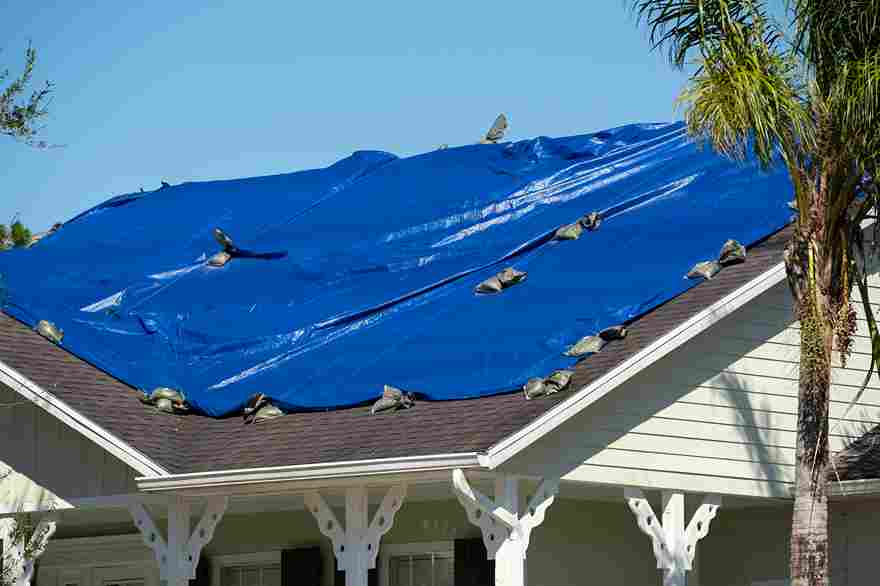
Step 2: Material Preparation Heavy-duty polyethylene tarps — typically 6-mil or thicker — are measured and cut to cover all damaged sections with adequate overlap. Quality tarping uses tarps rated for UV resistance and high wind loads, not the cheap blue tarps sold at hardware stores.
Step 3: Secure Installation Tarps are anchored using:
Wood battens screwed into the roof decking along tarp edges
Weighted sandbags or boards along perimeter edges
Overlap onto undamaged roof sections for a watertight seal
Proper installation is critical. A poorly secured tarp in Jacksonville's wind conditions can become a sail — causing additional damage and creating a hazard. Always use a licensed contractor for emergency roof tarping in Jacksonville, FL. 🔧
Step 4: Documentation for Insurance A reputable contractor provides written documentation of the tarped areas, installation method, materials used, and total coverage area — all of which supports your insurance claim for reimbursement.
How Much Does Emergency Roof Tarping Cost in Jacksonville, FL?
Cost depends on damage scope, roof pitch, accessibility, and timing. Here's a realistic breakdown:
The good news: Most Florida homeowner's insurance policies cover emergency tarping costs as part of your storm damage claim — because it's considered reasonable mitigation to prevent further loss. Keep every receipt. 📄
Does Insurance Cover Roof Tarping in Florida?
In most cases, yes — and here's why it matters.
Florida homeowner's insurance policies typically include coverage for reasonable emergency protective measures taken after a covered loss. Roof tarping qualifies because:
It prevents additional water damage that the insurer would otherwise have to pay for
It is industry-recognized as standard post-storm mitigation
It protects the structural integrity of the home during the claims process
To ensure reimbursement:
Use a licensed, insured contractor — not a handyman or DIY tarp
Get an itemized invoice with materials and labor broken out
Take before and after photos of all tarped areas
Submit the invoice with your insurance claim documentation
Keep the tarp in place until the adjuster inspects the property
Never remove or alter the tarped areas before your insurance adjuster completes their inspection — it can complicate your emergency roof tarping Jacksonville FL claim significantly. ⚡
DIY Tarping vs. Professional Tarping — What's the Real Difference?
Some homeowners attempt to tarp their own roofs after a storm. Here's an honest comparison:
The bottom line: professional tarping costs more upfront but pays for itself through proper insurance documentation, superior protection, and zero personal safety risk. For emergency roof tarping in Jacksonville, FL, always call a licensed contractor. 🔍
How Long Can a Tarp Stay on a Roof?
Tarps are temporary — not indefinite solutions.
General timeframes:
Standard polyethylene tarps: 30–90 days maximum before UV degradation and wind stress compromise their effectiveness
Heavy-duty commercial tarps: Up to 6 months with proper installation
Florida heat and UV exposure accelerates tarp breakdown faster than most other climates
What to watch for:
Tarp edges lifting or flapping in wind
Pooling water on flat tarp sections (indicates sagging)
Visible tears or punctures after subsequent storms
Discoloration or brittleness of tarp material
Schedule permanent repairs as soon as your insurance claim is approved. A tarp is a bridge — not a destination. Leaving emergency roof tarping in Jacksonville, FL in place too long creates its own set of moisture and structural risks. 🌀
What to Do While the Tarp Is in Place
Tarping buys you time — use it wisely.
📋 File your insurance claim immediately if not already done
📸 Keep documenting any new damage or changes inside the home
🔍 Schedule your permanent repair estimate with a licensed Jacksonville contractor
🚫 Don't let anyone access the damaged roof area unnecessarily
📞 Check in with your contractor if another storm is forecast — tarp condition may need to be assessed
💧 Monitor your attic and interior ceilings for any signs of continued water intrusion
Morgan Conley Roofing and Repair, LLC stays in contact with clients throughout the tarping period — from installation to permanent repair completion.
✅ Conclusion: Fast Tarping Saves Homes and Claims
Emergency roof tarping in Jacksonville, FL is one of the smartest investments a homeowner can make in the immediate aftermath of storm damage. It protects your interior, supports your insurance claim, and buys you the time needed to complete permanent repairs correctly.
Morgan Conley Roofing and Repair, LLC provides rapid-response emergency tarping across Jacksonville and Duval County. Visit morganconleyroofing.org or come by our office at 2345 Rogero Road, Jacksonville, FL 32211 to request emergency service. When the storm hits — we're already on our way. 🏠💪
❓ FAQs — Emergency Roof Tarping Jacksonville FL
How quickly can I get emergency roof tarping in Jacksonville, FL?
Licensed contractors like Morgan Conley Roofing and Repair respond as quickly as possible after storm conditions clear — often within hours of a call. Response times may vary during major storm events when demand is high across Duval County.
Will my insurance pay for emergency roof tarping in Florida?
In most cases yes. Florida homeowner's insurance typically covers emergency tarping as reasonable mitigation to prevent further covered losses. Keep all receipts and use a licensed contractor to ensure the claim is accepted.
How long does emergency roof tarping take to install?
Most residential tarping jobs take 1–3 hours depending on the size of the damaged area, roof pitch, and accessibility. Larger or more complex jobs may take longer.
Can I tarp my own roof after a storm in Jacksonville?
Technically yes — but it's strongly discouraged. Wet roofs are extremely dangerous, hardware store tarps are inadequate for Florida wind loads, and DIY tarping documentation is often rejected by insurers. Always use a licensed contractor.
Does Morgan Conley Roofing provide emergency tarping services in Jacksonville?
Yes. Morgan Conley Roofing and Repair, LLC provides emergency roof tarping across Jacksonville and surrounding areas. Visit morganconleyroofing.org to request emergency service immediately after storm damage.
🔍 People Also Ask
What is the purpose of emergency roof tarping after a storm?
Emergency roof tarping seals exposed or damaged roof sections to prevent water intrusion, protect interior structures, and preserve the property while permanent repairs are arranged and insurance claims are processed.
How much does it cost to tarp a roof in Jacksonville, FL?
Costs range from $150 for a small section to $3,000+ for a full roof emergency tarp. After-hours storm response and steep or multi-story roofs may add to the base cost. Most expenses are reimbursable through homeowner's insurance.
How long can an emergency tarp stay on a roof in Florida?
Standard tarps last 30–90 days before Florida's UV exposure and heat compromise their effectiveness. Heavy-duty commercial tarps can last up to 6 months. Permanent repairs should be completed as soon as the insurance claim is approved.
What kind of tarp is used for emergency roof protection?
Professional contractors use heavy-duty polyethylene tarps rated for UV resistance and high wind loads — significantly more durable than standard hardware store tarps. They are secured with wood battens and anchored to withstand Jacksonville's wind conditions.
Will a roof tarp survive a hurricane in Jacksonville, FL?
A properly installed commercial-grade tarp can withstand moderate wind conditions. However, no tarp is designed to survive direct hurricane-force winds. If another major storm is forecast, contact your contractor to assess the tarp's condition and reinforce if necessary.